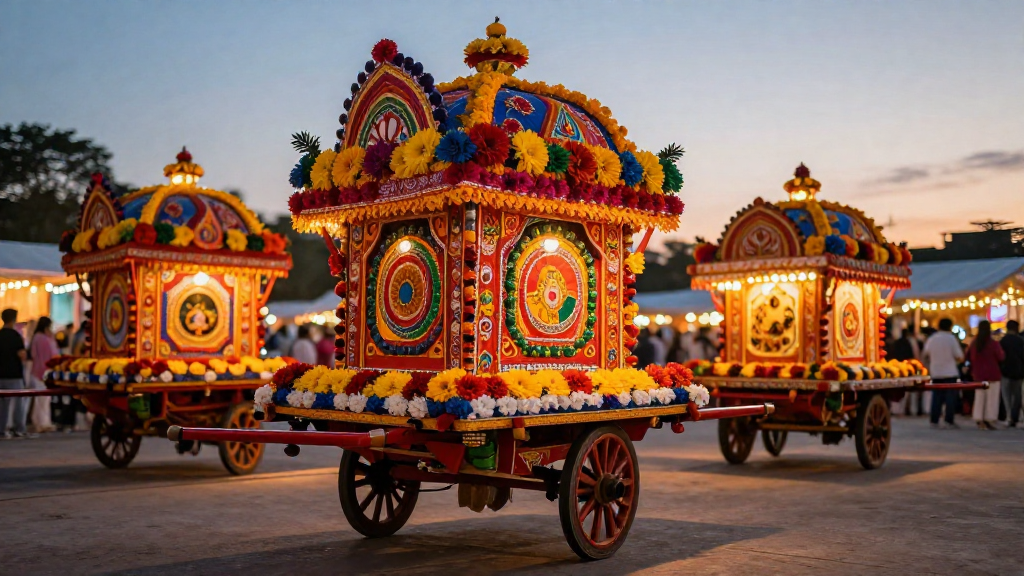
The symbolism of carts in festivals reveals deep cultural connotations and multifaceted meanings that vary across different societies.
Festivals are vibrant celebrations of heritage, tradition, and community. Within these lively gatherings, carts play a crucial role, often representing more than just practical utility. In this article, we delve into the symbolism of carts in festivals, exploring their rich meanings and pivotal roles across cultures.
Why Are Carts Used in Festivals?
Carts have been integral to festivals for centuries. Their utilization serves various purposes:
-
Transportation: Carts are essential for moving people, goods, and festive materials. They facilitate logistics in large gatherings where traditional transport may be limited.
-
Showcase of Culture: Many festivals use carts as platforms to display cultural artifacts, local food, or art. This turns them into mobile stages that celebrate local traditions.
-
Vehicle of Rituals: In many religious or cultural festivals, carts are used in parades, carrying deities or sacred items, thereby infusing them with spiritual significance.
-
Community Bonding: Carts often serve communal functions, allowing families and friends to gather around them, fostering a sense of unity and shared joy.
-
Symbol of Abundance: Carts filled with harvests or colorful decorations symbolize prosperity and abundance, reinforcing themes of gratitude and celebration.
How Do Carts Represent Cultural Heritage?
The symbolism of carts in festivals profoundly reflects the heritage and history of various communities. Different cultures infuse unique meanings into their festival carts:
-
India: In festivals like Rath Yatra, enormous chariots carry deities through crowded streets, epitomizing divine presence in the community. The sheer size and design of these carts signify grandeur and reverence.
-
China: During the Mid-Autumn Festival, colorful lantern carts are decorated to symbolize light, healing, and harmony, celebrating the harvest and the reunion of families.
-
Brazil: In Rio’s Carnival, themed floats use carts to represent aspects of cultural identity, from African heritage to contemporary expressions, demonstrating social commentary through artistic displays.
-
Ireland: Carts in rural Irish festivals often showcase local agricultural achievements and craftsmanship, forming a connection between past traditions and present practices.
What Do Carts Symbolize in Religious Festivals?
The symbolism of carts in festivals is particularly prominent in religious ceremonies, often acting as conduits between the divine and the earthly realm.
-
Chariots of Deities: In Hindu festivals like Jagannath Puri, the carts symbolize the presence of dieties on earth, allowing devotees to connect spiritually during the procession.
-
Paschal Processions: In Christian traditions, decorative carts may carry religious icons, representing the journey of faith and the passage to eternal life.
-
Historical Events: Festivals commemorating significant historical events often incorporate carts to symbolize migration, exile, or divine providence, linking their origins with present practices.
Why Are Carts Important for Community and Unity?
The symbolism of carts in festivals extends beyond individual religious beliefs, promoting community cohesion and unity.
-
Gathering Spaces: Carts often serve as focal points for communities to gather, share food, and participate in group activities like dancing or singing.
-
Celebration and Merriment: They amplify the spirit of celebration, facilitating games and competitions that bring people together in joy, strengthening social ties.
-
Representation and Inclusion: Carts often feature contributions from various community members, showcasing diverse talents and fostering a sense of belonging among participants and spectators alike.
How Do Carts Enhance the Aesthetic Appeal of Festivals?
The visual impact of carts is significant; their design and decoration play a crucial role in elevating the overall atmosphere of a festival. Here are a few ways they create a feast for the eyes:
-
Artistic Expression: Carts designed for festivals often exhibit intricate artwork, vibrant colors, and creative designs that embody cultural narratives.
-
Thematic Decor: Themed carts can be adorned with flowers, lights, and costumes, creating a visually stunning display that captivates festivalgoers.
-
Interactive Displays: Many carts are designed to encourage interaction, whether through sampling foods, participating in games, or engaging with performers.
-
Storytelling Platforms: Carts serve as stages for storytelling, performances, and live music, enhancing the festival’s narrative and engaging audiences deeply.
In What Ways Are Carts Used in Modern Festivals?
As societies evolve, so too does the symbolism of carts in festivals. Modern festivals have reinterpreted traditional cart use, adapting to contemporary themes while retaining their historical essence.
-
Artistic Installations: In festivals like Burning Man, carts are transformed into art pieces, inviting creativity and participation while pushing the limits of traditional cart designs.
-
Food Festivals: Carts are increasingly used as gourmet food trucks, allowing local chefs to showcase their culinary talents while upholding the tradition of food-sharing in festivals.
-
Environmental Awareness: Modern carts often embody themes of sustainability, featuring organic produce, handmade crafts, and eco-friendly goods, reflecting contemporary values.
-
Cultural Fusion: In multicultural festivals, carts symbolize unity, showcasing a blend of different cultural elements, food, and art, fostering appreciation and mutual respect among communities.
Conclusion: What Is the Enduring Symbolism of Carts in Festivals?
The symbolism of carts in festivals spans the practical, the aesthetic, and the spiritual, serving as powerful reminders of our shared heritage and cultural narratives.
With the myriad roles that carts play in festivals—their ability to transport both physical items and deeper meanings—it’s clear that they are not merely functional objects.
These carts serve as dynamic symbols of:
- Cultural identity
- Community bonding
- Spiritual connection
They invite participants to engage, celebrate, and reflect on traditions that bridge the past with the present.
As we continue to celebrate our diverse backgrounds through vibrant festivals, the symbolism of carts remains a vital thread in the tapestry of communal celebration, reminding us of unity, abundance, and the joyous spirit of togetherness.