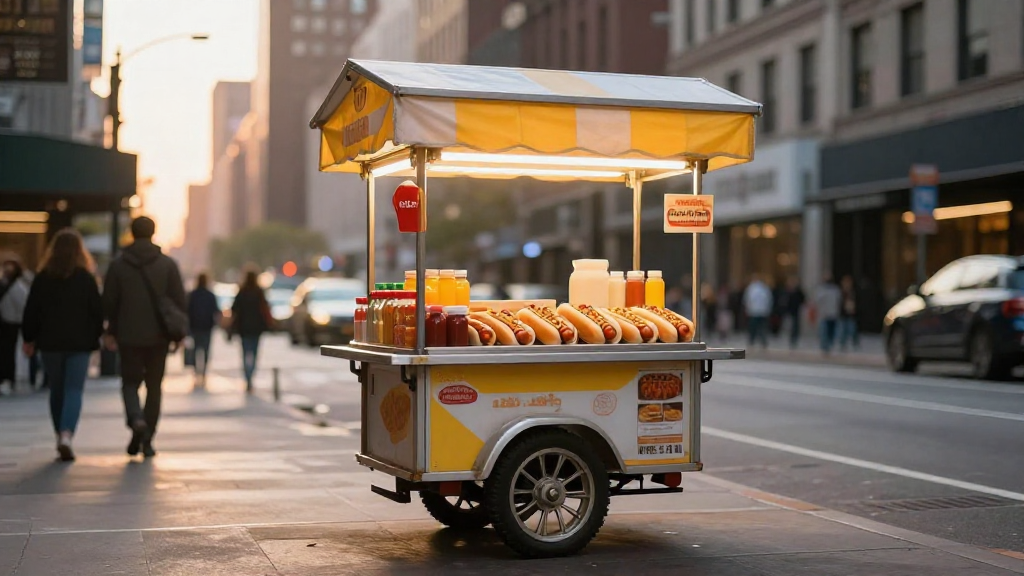
Setting up a hot dog cart can be an exciting venture that combines a love for street food with the potential for profits.
In this article, we will explore the essential steps involved in the hot dog cart setup, ensuring you have all the information you need to hit the ground running.
What Do You Need for a Hot Dog Cart Setup?
Before diving into the operational aspects, it’s crucial to gather everything you’ll need for a successful hot dog cart setup. Here’s a checklist of essential items:
-
Hot Dog Cart: Choose a high-quality cart that fits your budget. Look for one with:
– A grill or steam table
– Storage compartments
– A working propane tank if you’re grilling -
Food Safety Equipment: Ensure you have:
– Food storage containers
– Temperature control devices (thermometers)
– Disposable gloves -
Ingredients:
– Hot dogs (varieties include beef, pork, and vegan)
– Buns (fresh and in various sizes)
– Condiments (mustard, ketchup, onions, relish, etc.) -
Permits and Licenses: Research your local health department to understand the necessary permits for food vendors. This may include:
– Health permits
– Business licenses -
Marketing Materials: Create an appealing menu, business cards, or flyers to attract customers.
-
Cash Handling System: Decide on a cash register or a digital payment system to accept payments efficiently.
How Do You Choose the Right Location for Your Hot Dog Cart Setup?
Location is key in any business, especially when it comes to food vending.
Here are some strategic tips for choosing the perfect spot for your hot dog cart setup:
- High Foot Traffic Areas: Set up where large crowds gather, such as near:
- Parks
- Concert venues
-
Universities
-
Events and Festivals: Consider attending local fairs, markets, or sporting events where hot dog carts thrive.
-
Negotiating with Businesses: Reach out to local businesses to set up near their locations, especially during lunch hours.
What Licenses and Permits Are Required for Hot Dog Cart Setup?
Obtaining the necessary licenses and permits is an essential step in your hot dog cart setup.
Here’s a brief guide to navigating the requirements:
-
Health Permit: Ensure you apply for a health permit from your local health department. This helps ensure your food is served safely and complies with regulations.
-
Business License: Almost all cities require vendors to have a business license to operate legally.
-
Food Handler’s Permit: This may be a requirement for you or any staff you hire, ensuring safe food handling practices.
-
Vending Permit: Some areas have specific ordinances governing street vending that require an additional permit.
-
Liability Insurance: While not always mandatory, securing liability insurance can protect you from lawsuits due to food-related issues or accidents.
What Equipment Do You Need for Your Hot Dog Cart Setup?
Selecting the right equipment is crucial for running a smooth operation. Here’s a list of equipment essentials for your hot dog cart setup:
- Cooking Equipment:
- Grill or steam table
- Propane tanks (if your cart requires)
-
Utensils (tongs, spatula, knives)
-
Serving and Display Equipment:
- Serving trays or platters
- Hot dog dispensers
-
Condiment stations or containers
-
Storage Solutions:
- Coolers for keeping perishables fresh
-
Shelving for easy access to supplies
-
Cleaning Supplies:
- Sanitizing wipes or solutions
- Paper towels
- Trash bags
How Do You Prepare for Your Hot Dog Cart Setup?
Preparation is key to a successful launch, so here’s how you can get ready for your hot dog cart setup:
-
Research Your Target Market: Understand your customers’ preferences. Do they prefer classic hot dogs, gourmet toppings, or perhaps vegan options?
-
Test Recipes: Experiment with different types of hot dogs and toppings to find the best combinations that suit your audience.
-
Marketing Strategy: Create an eye-catching menu and possibly a social media presence to promote your cart and attract customers. Consider using:
- Locally-focused platforms
How Can You Manage Operations Effectively During Hot Dog Cart Setup?
Successful operation management is crucial for your hot dog cart setup. Here are some tips for running your cart smoothly:
-
Time Management: Keep track of peak hours and adjust your serving speed accordingly for busy times.
-
Inventory Control: Track your ingredients and supplies to avoid running out during peak service times.
-
Customer Interaction: Engage with customers to provide an exceptional service experience. Friendly interactions can lead to repeat business.
-
Hygiene and Safety: Regularly check your cart’s hygiene standards. Always wear gloves when handling food and keep your workspace clean.
-
Feedback Collection: Encourage customer feedback to continuously improve your offerings and service.
What Are the Best Practices for Marketing Your Hot Dog Cart Setup?
Effective marketing can significantly enhance your visibility and customer base. Consider applying these best practices:
-
Social Media Engagement: Use platforms like Instagram or TikTok to showcase your hot dogs and interact with your audience.
-
Promotions and Specials: Run daily specials or seasonal promotions to keep customers interested.
-
Loyalty Programs: Create a punch card or digital rewards program offering discounts after a certain number of purchases.
-
Participate in Local Events: Join community events, farmers’ markets, and festivals to increase exposure and attract new customers.
Conclusion
Setting up a hot dog cart isn’t just about grilling delicious hot dogs; it’s about understanding the best practices and steps for a streamlined hot dog cart setup.
From securing the right permits to effective marketing strategies, each aspect plays a vital role in ensuring success.
With thorough preparation, a strategic location, and a focus on customer satisfaction, your hot dog cart can quickly become the go-to destination for hungry customers seeking quick and tasty bites.
Start today, dive into your hot dog cart setup, and become part of the vibrant street food scene!