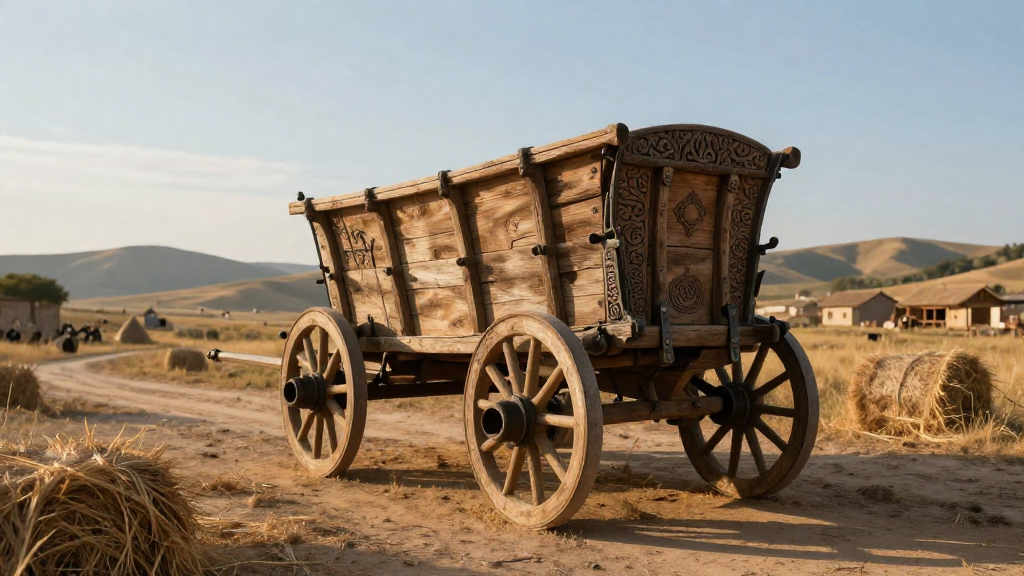
Exploring the design and construction of ancient carts and wagons provides fascinating insights into early engineering and the daily lives of our ancestors.
What Are Ancient Carts and Wagons?
Ancient carts and wagons served as vital tools in various civilizations, assisting in transportation for goods and people.
From the fertile crescent of Mesopotamia to the bustling markets of ancient Rome, these wheeled vehicles played a crucial role in the movement of resources.
Let’s delve deeper into the materials, designs, and uses of these incredible inventions.
What Materials Were Used for Ancient Carts and Wagons?
The construction of ancient carts and wagons often depended on the availability of materials in the respective regions.
Common Materials Included:
- Wood: The primary material for building carts and wagons.
- Softwoods like pine were easier to work with.
-
Hardwoods like oak added durability.
-
Metal: Iron and bronze were often used for:
- Wheel rims
-
Axles
-
Leather: Utilized for:
- Harnesses
- Straps
Each material influenced the cart’s overall functionality and longevity, making them essential for trade and daily activities.
How Did Ancient Carts and Wagons Differ in Design?
The design of ancient carts and wagons varied significantly based on regional needs, technological advancements, and intended use.
Types of Ancient Carts and Wagons:
-
Two-Wheeled Carts:
– Typically drawn by a single animal.
– Used for transporting lighter loads such as household goods or crops. -
Four-Wheeled Wagons:
– Capable of carrying heavier loads.
– Commonly used for transporting goods over long distances. -
Chariots:
– Designed for speed and maneuverability.
– Used by ancient warriors and for racing.
Unique Features:
-
Wheels: Early wheels were often solid disks made from wood; later designs integrated spokes for added strength and reduced weight.
-
Axles: In some designs, wheels were fixed to the axle, while others allowed for rotation, providing smoother travel.
-
Body Styles:
- Flatbeds for carrying bulk goods.
- Enclosed designs for transporting people or delicate items.
These diverse designs highlight how ancient carts and wagons were tailored to meet specific needs within various ancient cultures.
What Were the Functionalities of Ancient Carts and Wagons?
Each type of ancient cart and wagon had specific functionalities that catered to the demands of its environment and era.
Key Functionalities Included:
- Transportation of Goods:
-
Facilitated trade by moving goods like grains, textiles, and metals.
-
Transporting People:
-
Enabled travel for families, leaders, and soldiers, enhancing connectivity between settlements.
-
Agricultural Use:
-
Helped farmers transport produce from fields to markets.
-
Military Applications:
- Chariots served as mobile units for armies, providing speed and agility in battles.
Overall, these functionalities underscored the importance of ancient carts and wagons in daily life and commerce across ancient civilizations.
How Did Culture Influence Ancient Cart and Wagon Design?
The designs of ancient carts and wagons were also shaped by cultural practices and technological advancements across different civilizations.
Cultural Influences on Design:
- Mesopotamia:
-
The wheel was invented around 3500 BC, leading to the development of carts that facilitated trade along the Tigris and Euphrates rivers.
-
Egypt:
-
Hieroglyphs often depict ornate chariots used by pharaohs, emphasizing their status and military superiority.
-
Greco-Roman World:
-
The Romans engineered better road systems and larger wagons, which expanded trade networks across the empire.
-
Chinese Influence:
- Early designs included two-horse carts that were significant in transporting silk and other luxurious items along the Silk Road.
These cultural nuances illustrate how ancient carts and wagons were not just utilitarian objects but also reflections of the societies that created them.
How Did Ancient Carts and Wagons Evolve Over Time?
Over the centuries, ancient carts and wagons underwent significant evolution in design and usage.
Evolutionary Milestones:
-
The Invention of the Wheel:
– A revolutionary step that allowed for the creation of various vehicle types. -
Introduction of Spoked Wheels:
– This innovation reduced weight and improved mobility, making carts faster and easier to maneuver. -
Advanced Materials:
– The use of iron for components like rims and axles enhanced the durability of carts and wagons. -
Horsepower Increase:
– As horses became more domesticated, carts were designed for two or more horses, allowing for heavier loads to be transported faster.
These evolutionary changes show how ancient carts and wagons adapted to the needs of societies and advancements in technology.
What Legacy Did Ancient Carts and Wagons Leave?
The legacy of ancient carts and wagons is profound, influencing modern transportation systems and engineering.
Impacts on Modern Society:
-
Infrastructure: Ancient roads paved the way for modern highways, affecting trade and commuting.
-
Engineering Principles: Basic principles used in ancient cart construction laid the foundation for contemporary vehicle design.
-
Cultural Richness: Insights into ancient societies are gleaned through archaeological discoveries of carts and wagons, deepening our understanding of human history.
Recognizing the historical significance of ancient carts and wagons enables us to appreciate the impact they made on civilization as a whole.
Conclusion: What Did We Learn About Ancient Carts and Wagons?
In summary, ancient carts and wagons were remarkable inventions that transformed transportation during ancient times.
Their designs, materials, and functionalities reflect the ingenuity of early civilizations and their adaptability to the environment.
By examining the evolution and cultural significance of these wheeled vehicles, we gain a greater appreciation for their role in shaping human history.
As we move forward in a world of advanced technology, recalling the humble beginnings of ancient carts and wagons serves as a reminder of how far we’ve come and the journeys yet to be undertaken.