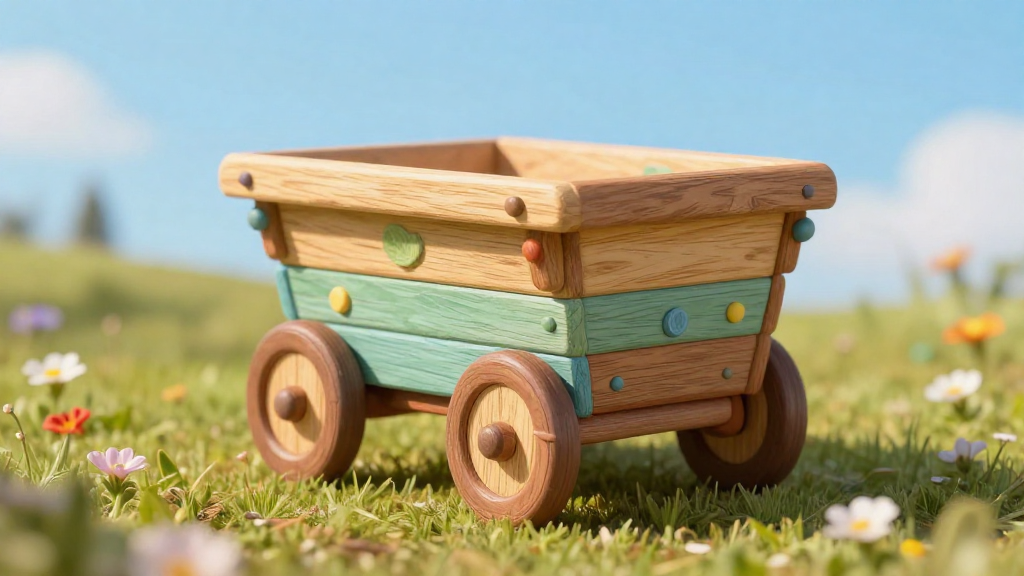
Have you ever heard of a soapbox cart? In this article, we will provide a thorough soapbox cart explanation, exploring its history, design, uses, and the excitement it brings to various events.
What Is a Soapbox Cart?
A soapbox cart is a non-motorized vehicle, typically constructed from wood and other lightweight materials.
These carts are designed primarily for downhill racing.
Participants, often known as “soapbox racers,” steer their carts down hilly terrains while competing against one another.
Where Did the Concept of Soapbox Carts Originate?
The origins of soapbox carts can be traced back to the early 20th century.
Children in America would build makeshift vehicles from scraps of wood, boxes, and wheels,
emulating the look and feel of real cars.
Over time, this pastime evolved into a legitimate racing activity, especially during events like the Soap Box Derby.
The first official Soap Box Derby was held in 1934 in Dayton, Ohio, capturing the imagination of many.
How Are Soapbox Carts Built?
Building a soapbox cart is a creative process that encourages individuals to utilize their craftsmanship and engineering skills.
Here are some common materials used in crafting a soapbox cart:
- Wood: Plywood or solid wood provides a stable structure.
- Wheels: Bicycle wheels or repurposed roller skate wheels are popular choices.
- Axles: Metal or strong wooden rods serve as axles to hold the wheels.
- Brakes: Simple brake mechanisms are vital for safety during races.
The essential components of a soapbox cart include:
- Frame: The structural foundation that holds everything together.
- Steering Mechanism: Often using ropes or a steering wheel for control.
- Seat: A comfortable place for the driver to sit safely.
- Braking System: To slow down or stop the cart effectively.
What Makes Soapbox Carts Unique?
Soapbox carts stand out for their DIY spirit, encouraging creativity and innovation.
Each cart reflects the personality and engineering choices of its creator.
They come in various shapes, sizes, and designs, with some being minimalistic while others boast complex decorations.
Participants often personalize their soapbox carts with paint jobs, branding, or themes related to their interests, making them visually appealing while racetrack-ready.
The sheer variety of designs is a testament to the creativity involved in this hobby.
Who Participates in Soapbox Racing?
Soapbox racing is an inclusive sport that attracts a wide range of participants, including:
- Children: Many events are designed for younger racers, instilling a sense of teamwork and competition.
- Teenagers: Older kids take the craft to a more advanced level, often with innovative designs.
- Adults: Soapbox racing also has a notable adult following, where experienced builders create high-performance carts.
What Events Are Associated with Soapbox Carts?
Soapbox racing events have grown in popularity worldwide.
Here are some notable events and races:
- Soap Box Derby: This is the most famous one, bringing together young racers and their custom soapbox carts.
- Local Downhill Races: Many communities host informal races where anyone can participate.
- Charity Events: Some organizations hold soapbox races to raise funds for various charitable causes.
How Do Soapbox Cart Races Work?
The basic rules of soapbox racing are relatively straightforward:
- Eligibility: Participants must meet specific age and potentially weight requirements.
- Tracking: Races are typically timed, with the fastest racer winning.
- Safety Gear: Helmets and protective gear are essential for all participants to ensure safety during the race.
Stages of a typical race include:
- Inspection: All carts might undergo safety checks before the race.
- Practice Runs: Many events allow for practice runs where racers can familiarize themselves with the track.
- Heats: Races may be structured in heats, with winners advancing to further rounds.
What Are the Benefits of Building and Racing Soapbox Carts?
Participating in soapbox racing has numerous benefits, including:
- Skill Development: Participants learn essential engineering and construction skills.
- Teamwork: Many racers work in teams, promoting collaboration among family and friends.
- Creativity: Designing a soapbox cart allows individuals to express their creativity and individuality.
- Community Involvement: Soapbox racing events often bring communities together, fostering relationships and a spirit of fun.
What Safety Considerations Are Important for Soapbox Racing?
Safety is paramount in any racing sport, and soapbox racing is no exception. Here are important safety considerations to keep in mind:
- Helmets: Make it mandatory for every racer to wear a helmet.
- Protective Gear: Encourage the use of knee and elbow pads for additional safety.
- Weight Limits: Ensure that carts meet specific weight limits to avoid injuries during races.
What Future Trends Are Emerging in Soapbox Racing?
The future of soapbox racing looks promising with several emerging trends:
- Electric Components: Some DIY enthusiasts are experimenting with electric motors for added speed.
- Advanced Materials: Builders are exploring more lightweight, high-strength materials to enhance performance.
- Community Challenges: Events are becoming more community-driven, with local businesses sponsoring and encouraging participation.
Conclusion: Why Soapbox Carts Matter
In summary, a soapbox cart is more than just a simple downhill vehicle;
it encapsulates creativity, teamwork, and community.
Our soapbox cart explanation reveals its rich history, exciting events, and potential for growth in the future.
Whether you’re a parent encouraging your child to participate or an adult looking for a fun hobby,
soapbox racing offers endless possibilities for enjoyment and learning.
Join an upcoming race today, and experience the thrill of soapbox carts firsthand!