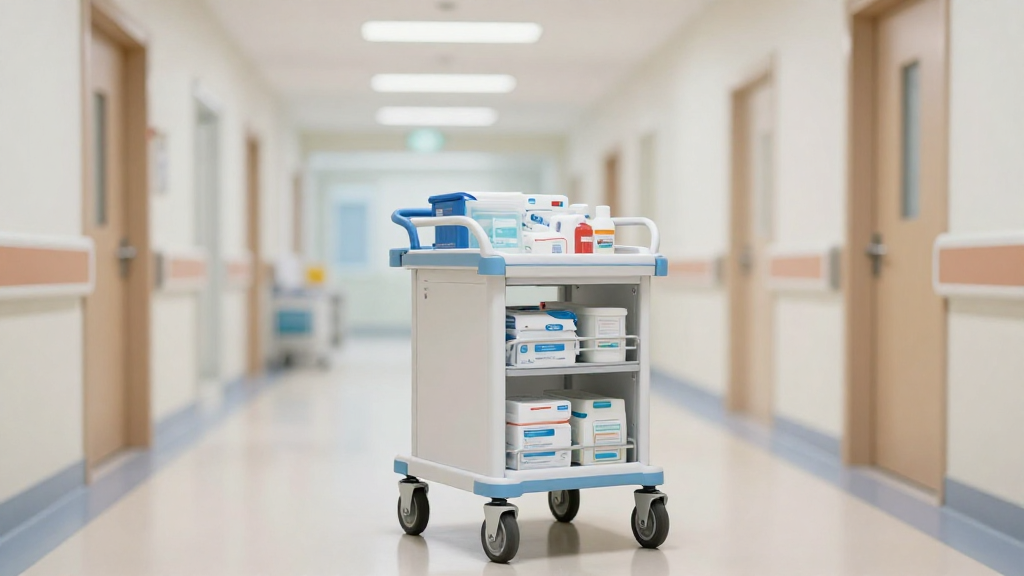
When it comes to the efficient operation of healthcare facilities, understanding how hospital carts work is essential.
Hospital carts are indispensable tools in medical environments, designed to streamline the delivery of supplies and improve patient care. This article will explore the inner workings of hospital carts, their various types, and how they enhance the daily operations of healthcare professionals.
What Are Hospital Carts?
Hospital carts are mobile units that facilitate the transportation of medical supplies, instruments, and patient-related items throughout a healthcare facility.
These carts can vary significantly in design, function, and size.
Some common types of hospital carts include:
- Medication carts: Used for dispensing medications to patients.
- Supply carts: Stocked with a variety of consumables such as gloves, bandages, and syringes.
- Nutrition carts: Designed to transport meals and dietary supplements.
- Emergency carts (crash carts): Equipped with life-saving equipment and medications for critical situations.
How Do Hospital Carts Work in Daily Operations?
How do hospital carts work in practice?
In a busy hospital, efficiency is key to delivering superior patient care.
Hospital carts help staff by simplifying logistics and reducing the time spent gathering necessary items.
Here are the critical features that allow hospital carts to function effectively:
1. Mobility
Hospital carts are typically equipped with wheels, allowing for easy maneuverability in tight spaces.
This mobility enables healthcare workers to transport supplies quickly from one area to another.
It significantly reduces the time spent retrieving necessary items, ultimately improving patient care.
2. Organization
Most hospital carts feature multiple compartments, drawers, and shelves.
This design allows for organized storage of medical supplies, making it easy for staff to locate what they need.
Being organized not only saves time but also increases efficiency in urgent medical situations.
3. Accessibility
Hospital carts are designed with accessibility in mind.
They can be found in various locations within a hospital—such as nurses’ stations, emergency rooms, and patient rooms.
This localized presence allows healthcare providers to have immediate access to necessary supplies, contributing to timely patient care.
4. Functionality
Different types of hospital carts serve various functions based on specific healthcare needs.
For example:
- Medication carts often come with integrated lock systems to ensure medication safety and control.
- Supply carts may be designed for easy replenishment and organization of consumables.
- Crash carts are equipped with emergency supplies such as defibrillators, airway management devices, and emergency medications.
This functional diversity means that hospitals can equip their staff with the right tools tailored to their specific requirements.
Why Are Hospital Carts Essential for Patient Care?
Simply put, hospital carts are vital for maintaining high standards of patient care.
How do hospital carts work to enhance healthcare services?
Here’s a look at several benefits:
1. Improved Efficiency
With a well-organized hospital cart, healthcare workers can significantly reduce the time spent searching for supplies.
This rapid access reduces delays in patient treatment and enhances overall workflow.
2. Enhanced Safety
By design, certain hospital carts include secure compartments for medications and hazardous materials.
This safe storage reduces the risk of medication errors and ensures compliance with safety regulations.
3. Cost-Effectiveness
Proper use of hospital carts can help streamline workflows and reduce waste.
By keeping supplies organized and accessible, hospitals can minimize the over-ordering of materials and optimize inventory management.
4. Better Communication
Hospital carts can also serve as a communication hub for the healthcare team.
For instance, visual signage on carts can remind staff of essential protocols and encourage collaboration.
What Materials Are Used in Hospital Carts?
Understanding the materials used in hospital carts helps to appreciate their functional design.
How do hospital carts work with different materials?
Here are some common materials that make them effective:
1. Metal
Most hospital carts are constructed from stainless steel or aluminum, which provides durability and ease of cleaning.
Metal materials are essential for infection control, as they can be disinfected thoroughly without degrading.
2. Plastic
The use of high-quality plastic in certain components provides lightweight options for mobility while maintaining strength.
Plastic materials can also be resistant to stains and chemical damage.
3. Wood
Though less common, wood can be found in specific designs for aesthetics or to provide a more traditional look, especially in certain departments.
4. Glass
In some advanced medical carts, glass is used for visibility and easy access to items while ensuring containment and safety.
How Are Hospital Carts Maintained?
To ensure their effectiveness and longevity, it’s crucial to maintain hospital carts properly.
How do hospital carts work in terms of maintenance?
Here are some best practices:
1. Regular Inspections
Hospital staff should routinely check carts for any signs of wear and tear.
Checking wheels, handles, and compartments ensures that the carts are functional and safe to use.
2. Cleaning Protocols
Infection control is a priority in hospitals.
Regular cleaning and disinfecting of hospital carts help prevent cross-contamination.
Using hospital-grade disinfectants is essential for maintaining a safe environment.
3. Restocking Supplies
Hospital staff should implement a process for restocking carts regularly to ensure they are always ready for use.
This can be done after every shift or on a scheduled basis.
4. Training Staff
Providing training for staff on the correct use and maintenance of hospital carts is vital.
This ensures everyone understands how to maximize their functionality and maintain sterile conditions.
Conclusion: The Impact of Hospital Carts on Healthcare
In conclusion, hospital carts are fundamental to the smooth operation of any healthcare facility.
Understanding how hospital carts work allows medical professionals to maximize their utility, resulting in enhanced patient care and safety.
By prioritizing organization, accessibility, and maintenance, hospital administrators can improve logistics and efficiency.
Through their diverse designs, hospital carts serve unique roles, thereby reinforcing their importance within the healthcare system.
As hospitals continue to evolve with technology and best practices, the role of hospital carts remains vital in day-to-day operations, ensuring that medical professionals are well-equipped to deliver outstanding patient care.