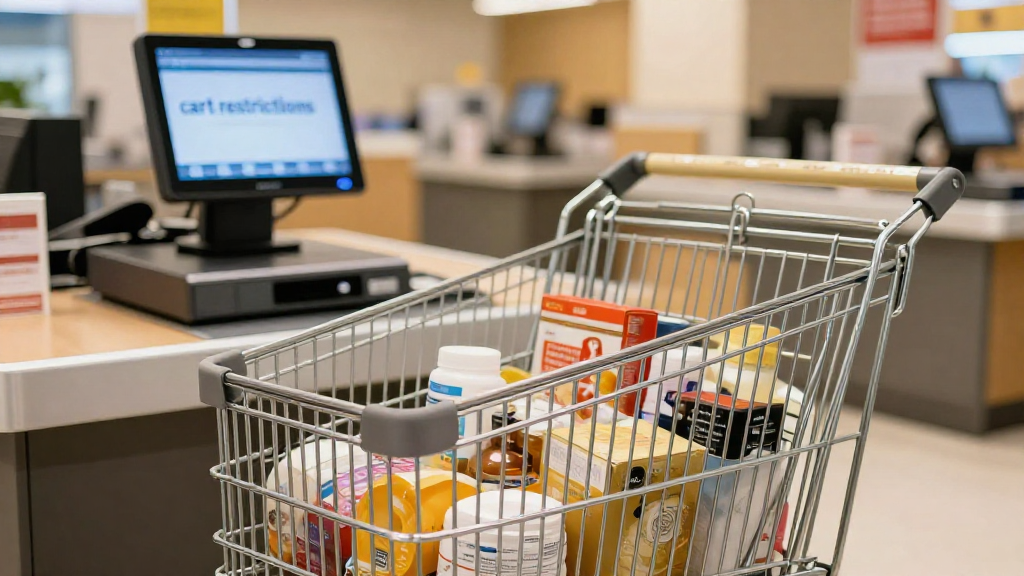
Cart restrictions in checkout can greatly affect the shopping experience for customers online.
Understanding these restrictions is crucial for both consumers and retailers alike to ensure a smooth purchasing process.
What Are Cart Restrictions in Checkout?
Cart restrictions in checkout refer to specific limitations imposed by an online retailer that can affect what items a customer can buy or how they can buy them.
These restrictions serve various purposes, including:
- Preventing abuse or fraud: Retailers may limit quantities of certain items to prevent reselling.
- Meeting legal obligations: Some products have restrictions based on age, location, or other legal requirements.
- Managing inventory: Cart restrictions can help retailers manage stock levels by controlling how much of an item can be purchased.
Understanding why and how these restrictions are implemented can help consumers navigate online stores more effectively.
Why Do Retailers Use Cart Restrictions?
Retailers implement cart restrictions in checkout for several reasons.
Understanding these can help consumers appreciate the rationale behind them:
1. Inventory Management
- Control Stock Levels: Retailers can limit the number of high-demand items to ensure they have enough stock for all customers.
- Seasonal Demand: Certain products may only be available during specific seasons, leading to restricted quantities.
2. Fraud Prevention
- Prevent Reselling: Limiting purchases can deter users from buying items in bulk to resell at higher prices.
- Protect Against Bots: Automated purchasing bots can consume inventory quickly, which cart restrictions help mitigate.
3. Legal Compliance
- Age Restrictions: Items like alcohol, tobacco, or certain electronics often have age verification requirements, leading to restrictions.
- Geographical Limitations: Certain products may not be available for shipment in specific regions, necessitating restrictions.
What Types of Cart Restrictions Can You Encounter?
When shopping online, you may face various types of cart restrictions in checkout.
Here are some common forms:
Quantity Limits
- Per Item Limit: Customers may be limited to purchasing only one or two of a specific item.
- Total Cart Limit: A restriction on the total number of items in the cart can also be imposed.
Product Availability
- Out of Stock: If an item is out of stock, it may not be allowed in the cart.
- Pre-order Status: Products available for pre-order may restrict the combination of items in your cart.
Shipping Restrictions
- Location-Based Restrictions: Certain products may not ship to specific locations due to regulations.
- Carrier Limitations: Some items may be restricted based on carrier policies.
Age Verification
- Age-Restricted Items: Certain products may require the buyer to verify their age during checkout.
- Account Requirements: Some retailers may require users to create accounts that confirm their age before purchase.
How Do Cart Restrictions Impact the Shopping Experience?
1. Frustration During Checkout
Encountering unexpected cart restrictions can lead to customer frustration.
When eager to purchase, a customer may suddenly find themselves unable to complete a transaction.
This disruption can cause:
- Abandoned Carts: If consumers can’t buy what they want, they may leave the site altogether.
- Negative Perceptions: Customers might view the retailer unfavorably due to these inconveniences.
2. Trust and Safety
On the positive side, cart restrictions can enhance trust.
When customers see that a retailer is taking measures to prevent fraud, they may feel more secure in their purchase.
- Improved Security: Ensures that products are bought for personal use rather than resale.
- Legal Safety: Helps consumers feel assured that regulations are being followed.
3. Perceived Value
Sometimes, cart restrictions can create a sense of urgency.
Limited availability can encourage customers to complete their purchases quickly to avoid missing out.
This can lead to:
- Increased Sales: Consumers are more likely to buy when they feel they must act fast.
- Higher Engagement: Younger audiences may appreciate the gamification element of purchasing limited items.
How Can Customers Navigate Cart Restrictions?
Navigating cart restrictions in checkout requires a bit of strategy.
Here are some tips for consumers:
1. Read Product Descriptions
Before adding items to the cart, carefully read the product descriptions.
This will help you identify any potential restrictions related to the product.
2. Be Aware of Limits
Understand the retailer’s policies regarding quantity limits or availability.
This can reduce surprises and make the checkout process smoother.
3. Sign Up for Alerts
Many retailers offer notifications when products come back in stock.
Sign up for these alerts to stay informed about your desired items.
4. Use Wish Lists or Carts
Instead of continuously attempting to checkout, add products to a wish list or saved cart.
This allows you to monitor stock availability without the pressure of a checkout timer.
Conclusion: Are Cart Restrictions in Checkout a Good or Bad Thing?
Cart restrictions in checkout can be a double-edged sword.
They serve crucial purposes like preventing fraud and managing inventory, but they can also lead to customer frustration when not well-communicated.
Consumers can navigate these challenges by familiarizing themselves with retailer policies and being proactive in their shopping habits.
In the end, understanding cart restrictions can lead to a more positive online shopping experience for both customers and retailers.
Whether you’re a retailer looking to implement effective cart restrictions or a shopper encountering them, being informed is key.
Monitor how these restrictions impact your next purchase and adapt your shopping strategies accordingly!