Consistent fermentation is easier when dough has a stable, covered environment. The right proofing box can help a small bakery organize batches, reduce drying, and manage everything from pizza balls to sourdough loaves.
We compare 10 options across capacity, temperature control, portability, stacking, and everyday usability so you can choose equipment that fits your production volume and workspace.
Best 10 Bread Proofing Boxes for Small Bakeries Picks for 2026
Commercial Stackable Pick
Large Pizza Dough Proofing Box
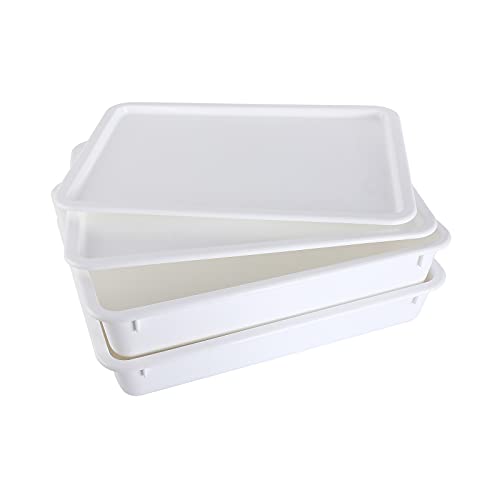
- Two covered commercial-size trays
- BPA-free food-grade plastic
- Stackable for space-saving storage
Best For: Small bakery kitchens proofing pizza or bread dough in trays
Temperature-Controlled Pick
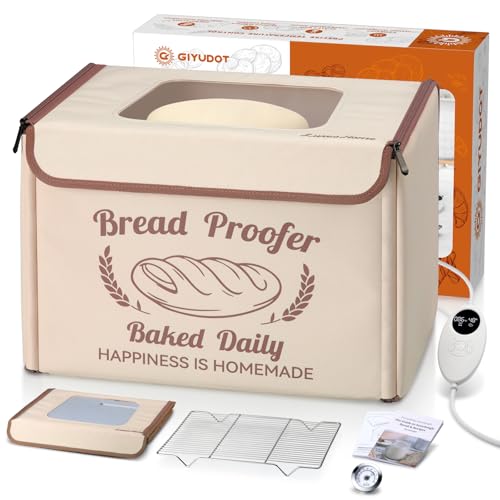
- Adjustable 50–113°F temperature range
- 48-hour timer and viewing window
- Folds for compact storage
Best For: Small bakeries needing controlled fermentation in cool conditions
Refrigerator-Friendly Pick

- Two 16-liter proofing containers
- Fits most household refrigerator shelves
- Clear, BPA-free plastic with tight lids
Best For: Portioned dough balls requiring covered refrigerator storage
Easy-Clean Pick

- Two boxes for four to six dough balls each
- Secure snap-on latching lids
- Dishwasher-safe BPA-free plastic
Best For: Small-batch dough prep with frequent cleaning and transport
Precision Proofing Pick
Brod & Taylor 6L Proofing Containers, 2-Pack

- 6L capacity per container, holding up to 3,000g of dough
- Translucent walls and markings simplify rise tracking
- Dishwasher safe, freezer friendly, and stackable
Best For: Small-batch bread, sourdough, and pizza fermentation
Multi-Batch Workhorse
13L Pizza Dough Proofing Box, 3-Pack

- Wide 17.6-by-12.9-inch trays suit multiple dough portions
- Stackable design helps organize limited workspace
- BPA-free plastic is dishwasher safe
Best For: Small-scale pizza and bread production
Commercial-Size Value Set
Stackable 13L Proofing Boxes, 3-Pack

- Three generously sized 13L lidded containers
- Food-grade, BPA-free plastic construction
- Stackable trays support organized batch proofing
Best For: Small bakery and pizza operations needing broad proofing trays
Commercial Stackable Dough Box

- Holds up to six dough balls
- BPA-free, dishwasher-safe polypropylene
- Includes labels and two erasable markers
Best For: Small bakery and pizzeria batch organization
Active Warm-Air Proofer
Foldable Sourdough Fermentation Box

- Circulates warm air throughout the chamber
- Controls 68–122°F with an eight-hour timer
- Folds flat and includes a viewing window
Best For: Controlled sourdough and bread fermentation
Commercial Stackable Pick – Large Pizza Dough Proofing Box
For small bakeries seeking straightforward bread proofing boxes for small bakeries, this commercial-grade plastic set provides two generously sized trays with covers. Its stackable design is useful when dough is proofing and storage space is limited.
Best For: Small bakery kitchens that primarily proof pizza or bread dough in trays and need a durable, reusable setup.
Pros:
- Includes two 17.25-by-13-by-3.54-inch trays with covers.
- BPA-free, food-grade plastic construction.
- Basins stack when covers are removed to save storage space.
- Snap closures and sturdy construction support stacking while dough rests.
Cons:
- Hand-wash only, according to the care instructions.
- Designed around rectangular trays, so it offers less flexibility than a temperature-controlled proofer.
This is a practical choice for bakeries that want simple covered proofing and efficient storage without electrical controls. Confirm that the tray dimensions suit your refrigerator, racks, and dough portion sizes.
Temperature-Controlled Pick – Folding Dough Proofer
Among bread proofing boxes for small bakeries, this folding electric proofer stands out for adjustable temperature and timed fermentation. It offers a 36-liter interior, a metal rack, and a viewing window for monitoring dough without opening the chamber.
Best For: Small bakeries that need controlled proofing in cool environments and also want one appliance for other fermentation projects.
Pros:
- Temperature range of 50–113°F with timers up to 48 hours.
- Three heating zones and an NTC sensor are designed for consistent warming.
- Foldable construction helps save storage space.
- Includes a stainless steel rack, humidor, manual, and recipes.
Cons:
- Requires an electrical power source and uses 65 watts.
- Its 16-by-12-by-12-inch interior and single shelf may limit larger batch production.
- More equipment and controls mean a higher-complexity setup than a basic covered tray.
With temperature control, insulation, automatic shutoff, and a transparent acrylic window, this model offers more precise fermentation management than passive boxes. Its capacity is best evaluated against your bakery’s batch volume.
Refrigerator-Friendly Pick – 2-Pack Dough Rising Boxes
This two-pack is a practical option for small bakeries comparing bread proofing boxes for small bakeries with refrigerator compatibility in mind. Each 16-liter box is sized for most household refrigerator shelves and can hold approximately four to six dough balls.
Best For: Bakeries or prep kitchens that portion dough into balls and need covered, refrigerator-friendly containers.
Pros:
- Two 16-liter containers provide separate proofing or storage capacity.
- Clear plastic makes the contents easy to view.
- Leak-resistant lids fasten tightly to help contain moisture.
- BPA-free plastic is suitable for dough and other food storage uses.
Cons:
- The passive design does not provide adjustable temperature control.
- Listed care details do not specify dishwasher safety.
- Each box has one compartment, which may be less convenient for individually separated dough portions.
Its clear, lidded format is well suited to cold fermentation and general kitchen storage. Measure your refrigerator shelf before purchasing, especially if the boxes will be used in a crowded prep area.
Easy-Clean Pick – Latching Proofing Boxes
For bakeries wanting bread proofing boxes for small bakeries that are easy to clean and secure during handling, this Vtopmart set includes two trays and two covers. The taller interior is intended to accommodate four to six dough balls without squashing them.
Best For: Small bakery prep areas that need stackable, latching containers for dough proofing, refrigeration, and ingredient storage.
Pros:
- Two 14.96-by-10.43-by-5.31-inch boxes fit many refrigerators.
- Snap-on latches help keep covers secure during stacking or transport.
- BPA-free, food-grade plastic is suitable for direct food contact.
- Smooth interiors are dishwasher-safe for easier cleanup.
Cons:
- The boxes do not offer active temperature or humidity control.
- The smaller footprint may provide less surface area than larger commercial trays.
- Two boxes may be limiting for higher-volume production without additional sets.
This set balances compact sizing, secure lids, and dishwasher-safe cleanup. It is a strong fit for small-batch dough handling, while larger bakeries may need multiple sets or a higher-capacity proofer.
Precision Proofing Pick – Brod & Taylor 6L Proofing Containers, 2-Pack
For small bakeries seeking bread proofing boxes for small bakeries that make fermentation easier to monitor, this two-pack combines generous capacity with a space-efficient design. The translucent walls, volume markings, and moisture-retaining lids help you judge dough development without repeatedly opening the container.
Best For: Small-batch bread, sourdough, and pizza production where tracking dough volume and performing folds in the container are priorities.
Pros:
- Each 6-liter container holds up to 3,000 grams of dough and has a wide base for stretch and coil folds.
- Translucent walls and volume markings make dough-rise monitoring straightforward.
- Stackable, freezer-friendly, and dishwasher safe, with BPA-free polypropylene construction.
- Lids help maintain humidity and prevent a dry skin from forming on the dough.
Cons:
- The rectangular containers may be less suitable than larger dough trays for high-volume production.
- The set includes two containers, which may limit simultaneous batch capacity for a busy bakery.
Choose this set when process visibility and easy handling matter as much as capacity. Its markings and low-profile, stackable format make it particularly practical for controlled fermentation in a refrigerator or compatible proofer.
Multi-Batch Workhorse – 13L Pizza Dough Proofing Box, 3-Pack
For bakeries comparing bread proofing boxes for small bakeries, this three-piece set offers wide trays for preparing multiple dough portions at once. The stackable design helps conserve workspace, while the food-safe, BPA-free plastic is intended for regular kitchen use.
Best For: Small-scale bakeries and pizza-focused kitchens that need broad trays for multiple dough balls, bread dough, or other food storage.
Pros:
- The 17.6-by-12.9-by-4.7-inch trays provide a broad proofing surface for multiple portions.
- Three containers support batch preparation and can be stacked to keep work areas organized.
- BPA-free plastic is dishwasher safe and designed for busy kitchen use.
- Removable lids allow the boxes to nest together for more compact storage.
Cons:
- The relatively large footprint requires adequate counter or refrigerator space.
- The listing provides capacity information that may be inconsistent, so confirm the exact usable volume before ordering.
This is a practical choice for operations that portion several pizza or bread doughs simultaneously. Its main advantage is usable tray area and three-box capacity, though buyers should measure their storage spaces and verify the listed capacity.
Commercial-Size Value Set – Stackable 13L Proofing Boxes, 3-Pack
These stackable trays are a straightforward option for bakeries shopping for bread proofing boxes for small bakeries and needing several generously sized containers. Each box includes a lid and is designed to keep dough fresh while also accommodating other food-storage tasks.
Best For: Small bakery or pizza operations that need three broad, lidded trays for proofing and flexible ingredient or food storage.
Pros:
- The three-box set provides 13-liter containers measuring approximately 17.32 by 12.63 by 4.56 inches.
- Food-grade, BPA-free plastic is described as sturdy and suitable for commercial-style use.
- Stackable construction helps maintain order while dough proofs.
- Lidded trays can also store fruits, vegetables, snacks, and other foods.
Cons:
- The generous dimensions may be difficult to fit in smaller refrigerators or proofing spaces.
- The supplied details do not mention volume markings or a transparent design for tracking rise.
- Care instructions are not specified as dishwasher safe in the provided notes.
This set makes sense when broad capacity and quantity are more important than built-in rise indicators. It offers three lidded trays for organized proofing, but measure available storage space and confirm cleaning requirements before purchasing.
Commercial Stackable Dough Box – Six-Ball Proofing Container
For small bakeries comparing bread proofing boxes for small bakeries, this commercial polypropylene container is a practical choice for organizing multiple dough portions. Its rectangular footprint holds up to six dough balls, stacks with or without the lid, and includes labeling tools for batch tracking.
Best For: Small bakeries, pizzerias, and food-service kitchens proofing several dough balls at once.
Pros:
- Holds up to six dough balls in a 15.67-by-11.69-by-4.09-inch box.
- Food-grade, BPA-free polypropylene is stain resistant and dishwasher safe.
- Stacks with or without the lid to conserve refrigerator and prep-space room.
- Includes a FIFO label sticker and two erasable markers.
Cons:
- The non-airtight lid may not suit bakers seeking a fully sealed container.
- Its low profile is designed for dough balls rather than tall dough expansion.
This box emphasizes batch organization and efficient storage over temperature control. The intentional airflow can support fermentation, while the labeling system is useful for managing production dates and dough types.
Active Warm-Air Proofer – Foldable Sourdough Fermentation Box
For bakeries that need more environmental control than a passive container provides, this foldable proofer adds active warm-air circulation to the bread proofing boxes for small bakeries category. It offers adjustable temperature, an eight-hour timer, humidity monitoring, and a viewing window for longer sourdough and bread fermentations.
Best For: Small baking operations and serious home bakers seeking controlled sourdough fermentation and final proofing.
Pros:
- Circulates warm air to help reduce hot and cool spots.
- Provides 68–122°F temperature control and an up-to-eight-hour timer.
- Displays interior temperature, humidity, and remaining time.
- Folds flat for storage and has a water-resistant, wipe-clean interior.
Cons:
- The interior cannot be set below the surrounding room temperature.
- Its 3.6-pound appliance-style design requires access to a power outlet.
- It offers less passive batch capacity than a large stackable dough tray.
This is the most feature-rich option of the three for temperature-sensitive fermentation. The integrated controls, insulation, and viewing window can make repeatable proofing easier, especially when sourdough requires extended timing.
Large-Capacity Dough Tray – Five-Quart Rising Container
This five-quart tray is a flexible option for small bakeries evaluating bread proofing boxes for small bakeries. It can hold up to 6.6 pounds of dough or six dough balls, while the translucent walls, volume markings, and lidded design help you monitor rising without repeatedly exposing the dough.
Best For: Bakers who want one roomy container for bulk dough, stretch-and-fold work, or multiple dough balls.
Pros:
- Holds up to 6.6 pounds of dough or six dough balls.
- Translucent walls and volume markings make dough growth easier to track.
- The lid helps retain moisture and protect dough from air drying.
- Stacks with or without lids and fits two units inside the compatible folding proofer.
Cons:
- It is sold as a single container.
- The sealed lid prioritizes moisture retention rather than the airflow of a non-airtight proofing box.
- It does not provide active temperature control on its own.
Choose this tray when capacity and hands-on dough work matter more than powered temperature regulation. Its wide base supports stretch and coil folds, and the clear construction helps with timing bulk fermentation.
How We Picked the Best Bread Proofing Boxes for Small Bakeries
We focused on the factors that matter during repeated bakery use: usable capacity, lid fit, material quality, cleaning convenience, stackability, portability, and temperature management. The selection includes simple dough trays for room-temperature fermentation, multipacks for higher-volume production, and powered proofing boxes for bakers who need more controlled conditions.
We also considered whether each design suits common bakery workflows, including dividing dough into individual portions, holding large batches, labeling containers, and moving proofed dough between prep and baking areas.
Quick Comparison
| Type | Best For | Main Advantage | Potential Limitation |
|---|---|---|---|
| Stackable dough boxes | Pizza and bread production | Efficient batch storage | Usually no active temperature control |
| Multipack containers | Small bakeries needing several batches | Flexible capacity and value | May require more shelf space |
| Large dough trays | Bulk fermentation | Holds larger dough quantities | Less convenient for individual portions |
| Powered proofers | Variable kitchen temperatures | More consistent proofing conditions | Higher cost and electrical requirements |
Key Buying Factors for Bread Proofing Boxes for Small Bakeries
Capacity and Batch Size
Choose a box based on your actual dough volume, not just its external dimensions. Individual pizza dough balls need enough room to expand without touching, while sourdough and enriched dough often benefit from extra headroom. Several smaller containers can be more flexible than one oversized box when orders vary throughout the day.
Lids, Seals, and Moisture Control
A secure lid helps prevent skin formation and protects dough from odors, dust, and accidental contact. Look for covers that are easy to remove with dough-covered hands. Tight seals can be useful, but a fully airtight container may not be necessary for every fermentation method.
Materials and Cleaning
Food-grade plastic is lightweight and practical for everyday use. BPA-free construction, smooth interiors, and dishwasher compatibility can reduce cleanup time. If the box will be stacked, check that the lid and base are sturdy enough to resist flexing under repeated use.
Temperature Management
Room-temperature containers are suitable when your bakery has a relatively stable environment. A powered proofing box is more useful when seasonal temperature swings affect fermentation or when you need repeatable timing across multiple batches. Temperature controls and timers add convenience, but they also add components that require careful cleaning and storage.
Storage and Workflow
Measure your racks, refrigerator, and prep counters before buying. Stackable boxes save space, while foldable models are easier to store between production runs. Labels, erasable markers, and transparent lids can also improve batch tracking.
Who Should Buy Which Bread Proofing Boxes for Small Bakeries?
- Choose stackable trays if you make pizza or bread in repeatable batches and need efficient shelf storage.
- Choose multipacks if you want separate containers for different doughs, fermentation stages, or order sizes.
- Choose a large-capacity box for bulk fermentation and fewer transfers during prep.
- Choose a temperature-controlled proofer if your kitchen conditions fluctuate or timing consistency is especially important.
- Choose a foldable model if counter and storage space are limited.
Before ordering, compare the interior capacity with your typical dough yield, confirm the box fits your shelving, and decide whether passive coverage or active temperature control better matches your bakery’s production schedule.