The best forged boning knives give you the control to separate meat from bone, trim fat, and work around joints without forcing the blade. This roundup compares 10 options with different blade shapes, flex levels, handles, and price points.
Whether you process game, break down poultry, prepare fish, or simply want a dedicated trimming knife, focus on blade stiffness, edge control, grip comfort, and ease of cleaning—not just sharpness out of the box.
Best 10 Forged Boning Knives Picks for 2026
Best Forged Value
HENCKELS Forged Premio 5.5-inch Boning Knife

- Forged bolster construction
- Honed German stainless-steel blade
- Comfortable triple-rivet handle
Best For: Home cooks wanting a durable forged boning knife
Best Budget Curved Blade
Mercer Culinary Ultimate White 6-inch
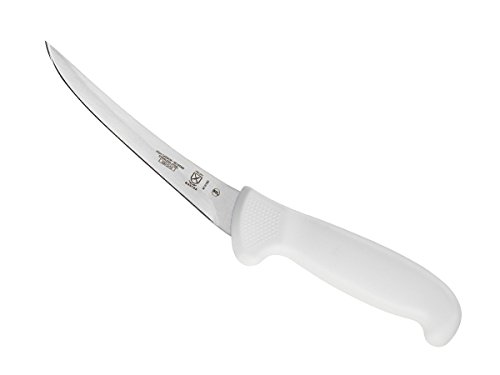
- Curved 6-inch blade
- High-carbon Japanese steel
- Textured non-slip handle
Best For: Affordable deboning, trimming, and fish preparation
Best Multi-Knife Set
Huusk Hand-Forged Viking Butcher Set

- Three-piece forged butcher set
- High-carbon steel blades
- Full-tang rosewood handles
Best For: Meat preparation and outdoor BBQ tasks
Best Semi-Stiff Curved Blade
Victorinox Fibrox Pro 6-inch Boning Knife

- Curved semi-stiff stainless blade
- Non-slip Fibrox Pro handle
- Swiss-made with lifetime guarantee
Best For: Close trimming and deboning thicker meats
Hand-Forged Versatility

- Forged Japanese high-carbon steel
- Curved 6-inch profile for meat separation
- Full-tang wood handle with gift box
Best For: Versatile meat prep, BBQ, and gifting
Professional Everyday Control
Victorinox Fibrox Boning Knife

- Flexible curved 6-inch stainless blade
- Slip-resistant ergonomic Fibrox handle
- Swiss-made with lifetime defect guarantee
Best For: Delicate poultry, fish, and daily trimming
Precision Forged Performance

- Forged ATS-34 high-carbon steel blade
- 15-degree tip for bones and joints
- Full tang, ebony handle, sheath, and gift box
Best For: Brisket trimming, BBQ, and detailed meat work
Lightweight Fish Filleting Pick
HOSHANHO 7-Inch Japanese Fillet Knife

- Flexible 7-inch high-carbon stainless steel blade
- Hand-polished 15-degree-per-side edge
- Ergonomic pakkawood handle
Best For: Fish filleting and precise, lightweight meat preparation
Warranty-Backed Curved Pick
Cutluxe 6-Inch Curved Boning Knife

- Forged German steel at 56+ Rockwell hardness
- Flexible blade sharpened to 14–16 degrees per side
- Full-tang handle and lifetime warranty
Best For: Controlled meat and fish trimming with added warranty protection
Hand-Forged Full-Tang Pick
HOSHANHO 6.7-Inch Boning Knife

- Hand-forged high-carbon steel rated 58±2 HRC
- Curved flexible blade with a 16-degree edge
- Full tang, three rivets, and hammer pattern
Best For: Deboning poultry, ribs, fish, and trimming brisket
Best Forged Value – HENCKELS Forged Premio 5.5-inch Boning Knife
The HENCKELS Forged Premio is a practical choice among forged boning knives for cooks who want a compact, high-carbon stainless-steel blade with a more substantial forged bolster construction. Its 5.5-inch plain edge is suited to controlled trimming and deboning work.
Best For: Home cooks seeking a durable forged boning knife with a comfortable, riveted handle and easy-care construction.
Pros:
- Forged bolster construction supports durability and a smooth blade-to-handle transition.
- Finely honed, satin-finished German stainless-steel blade is designed for lasting sharpness.
- Curved triple-rivet handle and stainless-steel endcap provide a sturdy, comfortable feel.
Cons:
- At 5.5 inches, the blade is shorter than some alternatives.
- Although dishwasher safe, hand washing may better preserve the finish and edge.
Choose this model if you value forged construction and a polished, traditional handle design in a compact boning knife. It also includes a lifetime warranty against manufacturer’s defects.
Best Budget Curved Blade – Mercer Culinary Ultimate White 6-inch
The Mercer Culinary Ultimate White is a value-focused option for shoppers comparing forged boning knives with practical meat-preparation features. Its 6-inch curved, high-carbon Japanese-steel blade is designed for separating meat from bone and trimming fat or sinew.
Best For: Home cooks and professionals who want a sharp, curved boning knife for chicken, ham, fish, and general trimming.
Pros:
- High-carbon Japanese steel supports edge maintenance and sharp cutting performance.
- Curved 6-inch blade is useful for deboning and following the contours of meat.
- Textured polypropylene handle offers finger points for grip, comfort, and safety.
Cons:
- Stamped construction rather than forged construction.
- Requires hand washing and thorough drying; it is not recommended for the dishwasher.
This Mercer is a sensible pick when function and value matter more than forged construction. Its ergonomic handle and curved profile make it versatile for routine kitchen deboning tasks.
Best Multi-Knife Set – Huusk Hand-Forged Viking Butcher Set
The Huusk 3-Piece Butcher Knife Set is a broader alternative to single forged boning knives, combining a boning knife with a butcher knife and cleaver. The hand-forged high-carbon-steel blades and full-tang rosewood handles are aimed at meat preparation, carving, trimming, and outdoor barbecue use.
Best For: Cooks who want a coordinated forged set for meat cutting, deboning, chopping, carving, and BBQ tasks.
Pros:
- Three-piece set covers distinct butcher, cleaver, and boning tasks.
- Hand-forged high-carbon steel is designed for sharpness, durability, and corrosion resistance.
- Full-tang construction and ergonomic rosewood handles support stability and comfortable handling.
Cons:
- It is a set rather than a dedicated single boning knife.
- Natural rosewood may show variations in grain and color.
- The 1.33-kilogram set is substantially heavier than the single-knife options.
This set makes the most sense when you need more than one meat-preparation tool. It offers broad coverage, but buyers seeking a lightweight, specialized boning knife may prefer a single-blade design.
Best Semi-Stiff Curved Blade – Victorinox Fibrox Pro 6-inch Boning Knife
The Victorinox Fibrox Pro is a dependable choice for shoppers comparing forged boning knives who instead prefer a lightweight, semi-stiff stamped blade. Its curved 5.5-inch stainless-steel blade provides a useful working angle for trimming close to beef, pork, poultry, and other bones.
Best For: Cooks and food-service users who need a controlled, semi-stiff boning knife with a secure grip when wet.
Pros:
- Curved, semi-stiff blade balances support for thick meats with control for close trimming.
- Fibrox Pro handle is designed for a non-slip grip, including when wet.
- Swiss-made construction, NSF standards, and a lifetime defect guarantee add confidence.
Cons:
- Stamped construction rather than forged construction.
- The semi-stiff profile may be less suitable for highly flexible boning work.
- Blade length is listed as 5.5 inches despite the 6-inch product description.
Choose this Victorinox when grip security, balanced handling, and a curved semi-stiff profile are priorities. It is especially well suited to close trimming and heavier cuts where some blade support is helpful.
Hand-Forged Versatility – Huusk Viking Knife
For shoppers comparing forged boning knives, the Huusk Viking Knife stands out for its Japanese high-carbon steel, curved profile, and full-tang wooden handle. Its 6-inch blade is designed for meat separation while remaining versatile enough for vegetables, BBQ preparation, and general kitchen work.
Best For: Home cooks, BBQ enthusiasts, and gift buyers who want a versatile forged knife with a distinctive Viking-inspired design.
Pros:
- Forged high-carbon steel construction is designed for strength and lasting sharpness.
- Curved profile helps separate meat from bone and handle varied cutting tasks.
- Full tang, ergonomic wood handle, and finger hole support control and stability.
- Includes an elegant gift box and features a hammered texture that helps reduce sticking.
Cons:
- The 5.9-inch blade may be less suitable for larger cuts than a longer boning knife.
- Wood handles typically require more care than synthetic, slip-resistant handles.
- Its specialty styling may be less practical for shoppers seeking a conventional professional boning knife.
This is a strong choice when you want one forged knife for meat trimming and broader kitchen or outdoor cooking tasks. Choose it for its comfortable full-tang design and gift-ready presentation rather than a narrowly specialized filleting profile.
Professional Everyday Control – Victorinox Fibrox Boning Knife
Among forged boning knives and professional meat-prep tools, the Victorinox Fibrox Pro offers a practical 6-inch curved, flexible stainless steel blade. It is designed for trimming meat and removing meat or fish from bones, particularly where delicate, precise cuts are needed.
Best For: Professionals and home cooks who prioritize a flexible blade, dependable grip, and comfortable everyday handling for poultry, fish, and tender cuts.
Pros:
- Curved, flexible stainless steel blade suits delicate chicken and fish cuts.
- Textured Fibrox handle is slip resistant, ergonomic, and NSF approved.
- Swiss-made construction is designed for users who work with knives frequently.
- Victorinox provides a lifetime guarantee against defects in materials and workmanship.
Cons:
- Its stamped construction is not a forged build.
- The flexible blade may feel less appropriate for heavy-duty chopping or rigid cutting tasks.
- A compatible sharpener is sold separately.
For buyers who value control and comfort over forged construction, this Victorinox is a straightforward professional-grade option. Its flexible curved blade is especially well matched to intricate boning and trimming rather than heavy cutting.
Precision Forged Performance – Huusk Viking Boning Knife
This Huusk Viking model is a focused option for shoppers seeking forged boning knives for precise meat work. Its hand-ground 15-degree tip, full-tang construction, and 7-inch carbon-steel blade are intended to help maneuver around bones and joints while trimming brisket or preparing BBQ cuts.
Best For: Butchers, serious home cooks, and BBQ users who want a purpose-built forged boning knife with a protective sheath.
Pros:
- 15-degree tip supports meticulous cutting around bones and joints.
- Hand-forged ATS-34 high-carbon steel is designed for hardness and edge retention.
- Full tang and balanced 5-inch ebony handle promote control during extended use.
- Includes a protective sheath and gift box for storage, transport, and presentation.
Cons:
- The 0.4-kilogram weight may feel substantial compared with lightweight boning knives.
- Carbon steel generally requires attentive care to preserve its finish and edge.
- The 7-inch blade may be more specialized than necessary for small, delicate cuts.
This model is the most specialized choice in the group, combining a forged build with a focused tip and longer blade. It makes sense for users who regularly trim meat or brisket and want the added storage protection of a sheath.
Lightweight Fish Filleting Pick – HOSHANHO 7-Inch Japanese Fillet Knife
For shoppers comparing forged boning knives, the HOSHANHO 7-inch fillet knife offers a thin, flexible Japanese stainless steel blade for precise fish preparation and general meat trimming. Its 15-degree-per-side edge, pakkawood handle, and lightweight design suit detailed cutting work.
Best For: Fish filleting, deboning, skinning, and cooks who value a flexible, lightweight blade.
Pros:
- 10Cr15CoMoV high-carbon stainless steel with a hand-polished 15-degree edge.
- Thin 7-inch blade supports precise slicing, trimming, skinning, and butterflying.
- Ergonomic pakkawood handle is designed for comfort and corrosion resistance.
Cons:
- The relatively soft, flexible blade may be less suitable for heavy-duty bone work.
- Its fish-focused profile may be less versatile than a sturdier butcher knife.
This is a practical choice when control and flexibility matter more than maximum blade rigidity. It can handle fish and other meats, but demanding users may prefer a heavier full-tang design for tougher trimming.
Warranty-Backed Curved Pick – Cutluxe 6-Inch Curved Boning Knife
Among forged boning knives, the Cutluxe curved model emphasizes control during filleting, deboning, trimming, skinning, and butterflying. Its flexible German steel blade is sharpened to 14–16 degrees per side and paired with a full-tang, triple-riveted pakkawood handle.
Best For: Meat and fish trimming where a curved, flexible blade and secure full-tang grip are useful.
Pros:
- Forged high-carbon German steel is rated at 56+ Rockwell hardness.
- Razor-sharp 14–16-degree-per-side edge is designed for precision and retention.
- Full-tang pakkawood handle is triple-riveted, laminated, and polished.
- Includes a lifetime warranty against material or workmanship defects.
Cons:
- The 6-inch blade provides less reach than longer fillet knives.
- The curved profile may take adjustment for users accustomed to straight blades.
Cutluxe makes a strong case for shoppers who want a balanced combination of edge performance, handle stability, and warranty coverage. The compact curved profile is particularly suited to controlled trimming rather than broad slicing.
Hand-Forged Full-Tang Pick – HOSHANHO 6.7-Inch Boning Knife
For cooks seeking forged boning knives with a sturdier construction, this HOSHANHO combines hand-forged high-carbon steel, a curved 6.7-inch blade, and a full-tang three-rivet design. The 16-degree edge and hammer pattern are intended to support clean separation of meat and bone with reduced sticking.
Best For: Deboning fish, ribs, and poultry, plus brisket trimming, barbecue, and longer cutting sessions.
Pros:
- Hand-forged high-carbon steel is rated at 58±2 HRC for toughness and edge retention.
- Curved, flexible blade supports separation of meat and bones.
- Full-tang construction with three rivets adds strength and stability.
- Hammer-pattern blade is designed to reduce friction and food sticking.
Cons:
- The wood handle may require more care than synthetic handle materials.
- Its specialized curved profile may be less familiar to beginners.
This model is the most construction-focused option in the group, pairing a harder forged blade with a reinforced full tang. It fits users who want a capable boning knife for poultry, ribs, and barbecue preparation while still retaining filleting flexibility.
How We Picked These Forged Boning Knives
We selected knives that are designed for meat trimming, deboning, or filleting and that offer useful differences in blade length, curvature, flexibility, handle design, and construction style. The list includes established cutlery brands such as HENCKELS, Mercer Culinary, and Victorinox, alongside Japanese-inspired and hand-forged options from Huusk, HOSHANHO, and Cutluxe.
Because product specifications can vary by listing, verify the current blade material, handle construction, included accessories, and care instructions before buying. A knife marketed as “forged” may still differ considerably in heat treatment, balance, and manufacturing consistency.
Quick Comparison
| Best For | What to Look For |
|---|---|
| General meat trimming | 5.5- to 6-inch curved blade with moderate stiffness |
| Poultry and close bone work | Narrow, pointed blade with controlled flex |
| Fish and filleting | Longer, thinner blade with greater flexibility |
| Heavy-duty butchery | Stiffer blade, secure grip, and balanced construction |
| Gift or multi-knife use | Coordinated set, protective storage, and clear care requirements |
Key Buying Factors for Forged Boning Knives
Blade Flexibility and Profile
A flexible blade follows bones and is useful for poultry, fish, and delicate trimming. A semistiff or stiff blade offers more leverage for beef, pork, and larger cuts. Curved profiles can improve trimming efficiency, while straighter blades may provide more predictable push cuts.
Length and Steel
Six inches is a versatile starting point for most kitchens. Choose a shorter blade for precise work in tight areas or a longer one for fish and larger cuts. Stainless steel is practical for corrosion resistance, but edge retention depends on the specific alloy and heat treatment.
Handle, Balance, and Safety
Look for a textured, comfortable handle that remains secure with wet or greasy hands. A full tang or well-supported construction can improve balance and durability, while a bolster or pronounced heel may help protect your fingers. Always use a stable cutting surface and keep the non-knife hand behind the blade path.
Cleaning and Maintenance
Hand washing and immediate drying generally protect the edge and handle better than repeated dishwasher cycles. Use a fine honing tool or appropriate sharpener, store the knife in a sheath or block, and avoid cutting through hard bone when the knife is intended for trimming around it.
Who Should Buy Which Forged Boning Knives?
Choose a versatile 5.5- or 6-inch curved model if you want one knife for routine poultry, beef, pork, and trimming tasks. Select a flexible fillet-style knife if fish is your priority. For larger cuts or firmer connective tissue, a semistiff or stiff blade provides better control and resists unwanted bending.
Home cooks who value predictable ergonomics may prefer established cutlery lines with clearly documented specifications. Buyers seeking a distinctive appearance or bundled tools may prefer a hand-forged-style set, but should pay close attention to maintenance and actual knife dimensions. Professionals and frequent hunters should prioritize grip security, edge stability, and replaceable or readily available sharpening support over decorative details.