Freshly pressed oil can give home cooks more control over ingredients, flavor, and small-batch preparation. The right press depends on the seeds or nuts you use, how often you plan to extract oil, and whether you prefer hands-on operation or powered convenience.
We compared these 10 options by press style, capacity, materials, temperature control, cleanup, and overall practicality for home use.
Best 10 Manual Oil Presses Picks for 2026
Stainless-Steel Manual Press
CGOLDENWALL Household Oil Extractor

- Physical pressing without chemical ingredients
- Rust-resistant 304 stainless-steel body and handle
- Best with oil-rich nuts and seeds
Best For: Small-batch home pressing of recommended oil-rich crops
Compact Manual Press
Piteba Oil Press and Easy Fill Set
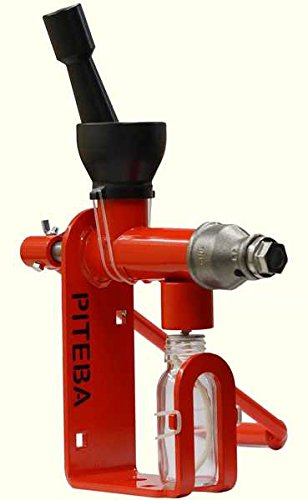
- No external power source required
- Compact steel design weighs about 5 pounds
- Includes an EZ fill funnel
Best For: Portable home or small-farm oil pressing
Original Compact Expeller
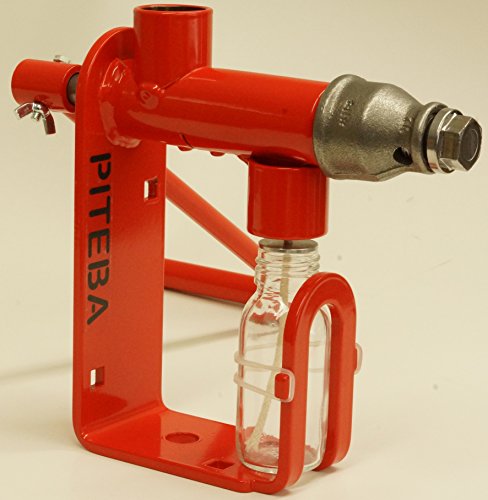
- Manual operation needs no external power
- Supports continuous expelling
- Lightweight 4.14-pound design
Best For: Compact nut and seed pressing at home or on a small farm
High-Capacity Electric Alternative
VEVOR Automatic Oil Press Machine

- Up to 11 pounds per hour for flaxseed
- 122°F–572°F adjustable hot and cold pressing
- Supports more than 30 ingredient types
Best For: Higher-volume home, restaurant, or market use
Best Large-Capacity Press
Stainless Steel Honey and Oil Press

- 4.2-gallon stainless steel pressing chamber
- Three reusable nylon filters included
- Also handles juice, wine residue, and olive seed oil
Best For: Multi-purpose pressing with a focus on capacity and filtration
Best High-Output Option
Automatic Hot and Cold Seed Oil Press
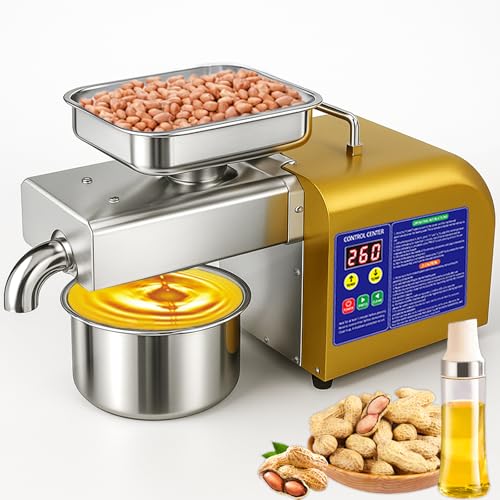
- 1800W motor with stated 11–20 lb/hour output
- Adjustable 104–572°F temperature range
- Suitable for many common oil seeds
Best For: Higher-volume pressing with automatic controls
Best Compact Hand-Crank Pick
Household Stainless Steel Oil Press

- Electricity-free hand-crank operation
- Stainless steel body for kitchen use
- Includes a collection bottle
Best For: Small-batch home pressing of nuts and seeds
Precision Electric Press
Digital Stainless Steel Oil Press Machine

- 40°C–300°C temperature range
- Digital controls and reverse function
- Supports up to 24 hours of operation
Best For: Users wanting automated hot- and cold-press control
High-Capacity Workhorse
820W Automatic Hot and Cold Oil Press

- Hot and cold pressing modes
- Up to 9–13.5 pounds per hour
- Designed for up to 24 hours of use
Best For: Higher-volume pressing of compatible nuts and seeds
Home Kitchen Pick
900W Stainless Steel Cold Press Extractor

- Designed for common nuts and seeds
- Automatic temperature management
- Includes filter and cleaning tools
Best For: Home users wanting a supported, accessory-rich setup
Stainless-Steel Manual Press – CGOLDENWALL Household Oil Extractor
For shoppers comparing manual oil presses, the CGOLDENWALL emphasizes physical pressing without chemical ingredients. Its stainless-steel construction and hand-operated design suit small-batch pressing of oil-rich seeds and nuts.
Best For: Home users pressing peanuts, sunflower seeds, sesame, walnuts, coconut, and other crops with oil content above 25%.
Pros:
- Uses manual physical pressing with no chemical ingredients.
- 304 stainless-steel body and handle resist rust.
- Portable design with a listed 1-liter capacity.
- Includes a one-year warranty and English instructions.
Cons:
- Not recommended for flaxseed, rapeseed, or olives.
- Requires continuous heating during use, so operation needs care.
- Manual pressing requires more hands-on effort than an electric machine.
This is a practical choice when durable materials and chemical-free, hands-on pressing matter more than speed. Check the crop recommendations before buying.
Compact Manual Press – Piteba Oil Press and Easy Fill Set
Among manual oil presses, the Piteba Oil Press and Easy Fill Set focuses on straightforward operation without an external power source. Its compact steel press and included funnel are suited to home or small-farm use.
Best For: Users who want a compact, manually operated press with an easier filling setup for small-batch oil extraction.
Pros:
- Operates manually without an external power source.
- Designed for continuous expelling with high extraction efficiency.
- Compact at approximately 5 pounds.
- Includes a plastic EZ fill funnel.
Cons:
- Manual operation requires ongoing physical effort.
- Hand-wash care is required.
- Supplied notes do not specify compatible seeds or nuts.
The Piteba is a sensible option for buyers prioritizing portability, simple operation, and continuous manual pressing. The easy-fill accessory adds convenience during ingredient loading.
Original Compact Expeller – Nut and Seed Oil Press
This original nut and seed expeller is one of the more compact manual oil presses for buyers seeking simple, power-free operation. The supplied specifications highlight continuous expelling and a relatively light 4.14-pound weight.
Best For: Home users and small farms looking for a compact manual press for nuts and seeds.
Pros:
- Manually operated with no external power source required.
- Designed for continuous expelling.
- Described as requiring almost no maintenance.
- Lightweight at 4.14 pounds, with compact dimensions.
Cons:
- Manual operation is less convenient than electric pressing.
- Supplied notes do not list specific compatible ingredients.
- Supplied notes do not identify included accessories or materials.
Choose this model if a lightweight, uncomplicated expeller fits your workflow. Its available information supports small-scale use, but ingredient compatibility should be confirmed before purchase.
High-Capacity Electric Alternative – VEVOR Automatic Oil Press Machine
Although it is not a manual machine, the VEVOR offers a useful comparison for shoppers evaluating manual oil presses against electric alternatives. It combines automatic pressing, adjustable hot and cold temperatures, and a stated capacity of up to 11 pounds per hour for flaxseed.
Best For: Home, restaurant, or market users who need faster, higher-volume oil extraction across a broad range of nuts and seeds.
Pros:
- Automatic electric operation with up to 11 pounds per hour for flaxseed.
- Adjustable temperature range from 122°F to 572°F for hot or cold pressing.
- Designed for more than 30 types of nuts, seeds, and oil-rich ingredients.
- Includes an oil cup, filter screen, gloves, and cleaning brush.
Cons:
- Requires corded electricity and is rated at 220 volts.
- At 28.7 pounds, it is substantially less portable than manual presses.
- Hand-wash cleaning is specified.
The VEVOR is best viewed as a speed-and-capacity alternative rather than a manual oil press. It makes more sense for frequent or larger batches where automation and temperature control outweigh portability.
Best Large-Capacity Press – Stainless Steel Honey and Oil Press
Although designed primarily for honey and beeswax, this large manual press can also handle selected juices, vegetables, wine residue, and olive seed oil. Its stainless steel construction, reusable filters, and hand-operated pressure make it a versatile option for buyers comparing manual oil presses with broader food-processing capabilities.
Best For: Buyers who want one manual press for honey, beeswax, juice, wine residue, and occasional olive seed oil processing.
Pros:
- Durable 304 stainless steel construction with a 2.8 mm outer wall and reinforced base.
- 4.2-gallon capacity helps reduce the number of pressing cycles.
- Includes three reusable nylon filters and a controllable-flow valve.
- Detachable design supports cleaning and storage.
Cons:
- At 20 pounds and 18 by 18 by 25 inches, it requires substantial storage space.
- Hand operation may be slower and more physically demanding than an electric oil press.
- Hand-wash-only care may add cleanup time.
This is the strongest fit when capacity and filtration matter more than compactness. It is not a dedicated seed expeller, but its broad pressing range makes it useful for households processing multiple types of produce.
Best High-Output Option – Automatic Hot and Cold Seed Oil Press
This automatic 1800-watt machine is a practical alternative for shoppers who want the output and temperature control of an electric unit rather than a hand-cranked setup. Among manual oil presses and electric alternatives, it stands out for continuous operation, adjustable heat, and compatibility with many common oil seeds.
Best For: Home or commercial users pressing substantial quantities of suitable seeds and wanting automatic temperature monitoring.
Pros:
- 1800-watt motor supports stated output of 11 to 20 pounds per hour.
- Temperature range of 104 to 572°F supports hot- and cold-pressing applications.
- Intelligent panel displays temperature and supports timed operation.
- Works with peanuts, walnuts, sunflower seeds, sesame, almonds, soybeans, flax, and other listed materials.
Cons:
- It is electric and automatic, so it does not provide the electricity-free operation of a manual press.
- Freshly pressed oil should settle for 24 hours before separation and use.
- It cannot process olives, despite supporting olive kernels, and is unsuitable for several materials including cocoa beans, spices, and coffee beans.
This machine is better suited to throughput and convenience than traditional manual pressing. Check the permitted raw-material list carefully, especially if you specifically need whole-olive processing or a fully non-electric workflow.
Best Compact Hand-Crank Pick – Household Stainless Steel Oil Press
This compact household extractor offers the straightforward control many shoppers expect from manual oil presses: add suitable nuts or seeds and turn the hand crank. Its stainless steel body, included collection bottle, and electricity-free operation make it a simple choice for small-batch kitchen use.
Best For: Home cooks who want to press small amounts of peanut, rapeseed, walnut, tea, or sunflower seed oil without using electricity.
Pros:
- Manual hand-crank operation provides direct control without electricity.
- Stainless steel construction is designed for repeated kitchen use and easy wiping.
- Suitable for listed nuts and seeds and supports cold- or hot-pressing needs.
- Includes a collection bottle.
Cons:
- Manual operation may require more effort and produce less throughput than an automatic machine.
- Supplied notes do not specify capacity or extraction rate.
- Hand-wash-only care may be less convenient for frequent use.
Choose this model when simplicity, electricity-free operation, and kitchen-scale pressing are more important than speed. Its listed applications are useful for common ingredients, but buyers needing larger batches should consider a higher-capacity or powered alternative.
Precision Electric Press – Digital Stainless Steel Oil Press Machine
Digital Stainless Steel Oil Press Machine, Automatic Hot Cold Press Oil Maker with Reverse Function
Check Price On AmazonFor shoppers comparing manual oil presses with more automated options, this stainless steel machine emphasizes precise temperature control and hands-off operation. Its digital controls, 40°C–300°C range, and reverse function make it a practical choice for pressing several types of seeds and nuts.
Best For: Home users and small commercial operations that want adjustable hot- or cold-press settings and extended operating capability.
Pros:
- Wide 40°C–300°C adjustable temperature range supports hot and cold pressing.
- Digital display allows precise temperature and setting adjustments.
- Reverse function helps clear blockages automatically.
- Designed for up to 24 hours of continuous operation.
Cons:
- Uses corded electric power rather than manual operation.
- The supplied specifications list a relatively small 9-liter-per-day capacity.
This model stands out for control and convenience rather than traditional manual pressing. It can handle peanuts, sesame, sunflower seeds, walnuts, and other seeds, making it a versatile automated alternative.
High-Capacity Workhorse – 820W Automatic Hot and Cold Oil Press
Although it is not a manual oil press, this 820W stainless steel extractor is worth considering if throughput is a priority. It offers hot and cold modes, real-time temperature monitoring, and a stated output of up to 9–13.5 pounds per hour for compatible seeds and nuts.
Best For: Home or commercial users who need faster, higher-volume pressing of peanuts, sesame, soybeans, sunflower seeds, flaxseed, and walnuts.
Pros:
- Hot and cold pressing modes accommodate different ingredients and preferences.
- Powerful motor and all-steel gear support continuous operation for up to 24 hours.
- Intelligent panel displays temperature in real time and supports adjustable settings.
- Includes a filter, oil cup, cleaning brush, gloves, hopper, and other pressing components.
Cons:
- Not suitable for olives, cocoa beans, spices, flowers, herbs, or coffee beans.
- Its 14.9-inch width and 11.8-inch height require meaningful counter space.
- Hand washing is required according to the care instructions.
Choose this machine when productivity matters more than the simplicity of manual oil presses. Its stated capacity and continuous-use design favor frequent pressing, while the ingredient restrictions should be checked before purchase.
Home Kitchen Pick – 900W Stainless Steel Cold Press Extractor
For buyers moving beyond manual oil presses but still focused on home use, this 900W stainless steel extractor combines automatic temperature management with a straightforward accessory package. It is designed for walnuts, peanuts, sesame, and sunflower seeds, with components intended to simplify pressing and cleanup.
Best For: Home cooks seeking an automated seed and nut oil maker with temperature management and included cleaning accessories.
Pros:
- Works with walnuts, peanuts, sesame, and sunflower seeds.
- Automatic temperature management is designed to heat during extraction.
- Thickened press chamber and stainless steel press rod support consistent operation.
- Includes a filter, oil cup, cleaning brush, insulated glove, and instructions.
Cons:
- The supplied details do not specify an oil output rate or capacity.
- At 31 pounds, it is relatively heavy for a home appliance.
- Hand washing is required.
This is a practical automated option for occasional or regular kitchen pressing, especially if the included accessories are useful to you. Its listed ingredient range is narrower than some alternatives, so confirm compatibility with your preferred seeds or nuts.
How We Picked These Manual Oil Presses
We focused on machines and hand-operated presses designed for household or light commercial oil extraction. Our comparison considers compatibility with common seeds and nuts, operating method, extraction temperature, hopper and output capacity, construction, cleaning requirements, and ease of use. Because product listings can vary by seller, verify the current specifications, included accessories, and power requirements before ordering.
Some selections are truly hand-cranked, while others are automatic electric oil makers included for shoppers who want the same small-batch capability with less physical effort. This distinction matters when comparing performance, convenience, and cost.
Quick Comparison
| Press type | Best for | Main advantage | Potential drawback |
|---|---|---|---|
| Hand-crank | Occasional small batches | Simple, quiet operation | Requires more effort and time |
| Automatic electric | Frequent home use | Faster, more consistent pressing | Needs power and more cleanup |
| Hot-and-cold press | Flexible ingredient processing | Temperature options for different seeds | More settings to learn |
| High-capacity model | Large batches or small businesses | Higher throughput | Larger footprint and higher energy use |
Key Buying Factors for Manual Oil Presses
Ingredient Compatibility
Check whether the press supports the seeds and nuts you plan to use. Peanuts, sunflower seeds, sesame, flax, coconut, and harder nuts can have different moisture and preparation requirements. A machine that handles one ingredient well may not perform equally with another.
Manual Versus Electric Operation
A hand-crank press is useful when you value portability, quiet operation, and mechanical simplicity. Electric models are usually a better choice for repeated batches, especially when the press includes automatic feeding, temperature controls, or reverse functions to help clear jams.
Cold and Hot Extraction
Cold pressing can help preserve a fresh flavor profile, while heating may improve oil flow and yield for some ingredients. Look for clearly stated temperature ranges and controls rather than assuming every “hot and cold” model offers the same level of adjustment.
Construction and Cleanup
Stainless steel components are generally easier to maintain and more resistant to staining. Removable press chambers, accessible augers, included cleaning tools, and dishwasher-safe parts can make a major difference. Allow the machine to cool fully before disassembly.
Capacity and Footprint
Compare pounds-per-hour claims with your realistic batch size. Higher capacity is helpful for frequent use but often means a heavier machine, more storage space, and greater power consumption.
Who Should Buy Which Manual Oil Presses?
Choose a hand-crank model if you make small amounts occasionally and want the simplest setup. Select a compact automatic press for regular household use and easier batch processing. A hot-and-cold digital model suits users who want more control over extraction conditions, while a higher-output machine is better for frequent large batches or small-scale selling. If you are new to oil pressing, prioritize straightforward controls, easy cleaning, and verified compatibility over maximum wattage alone.