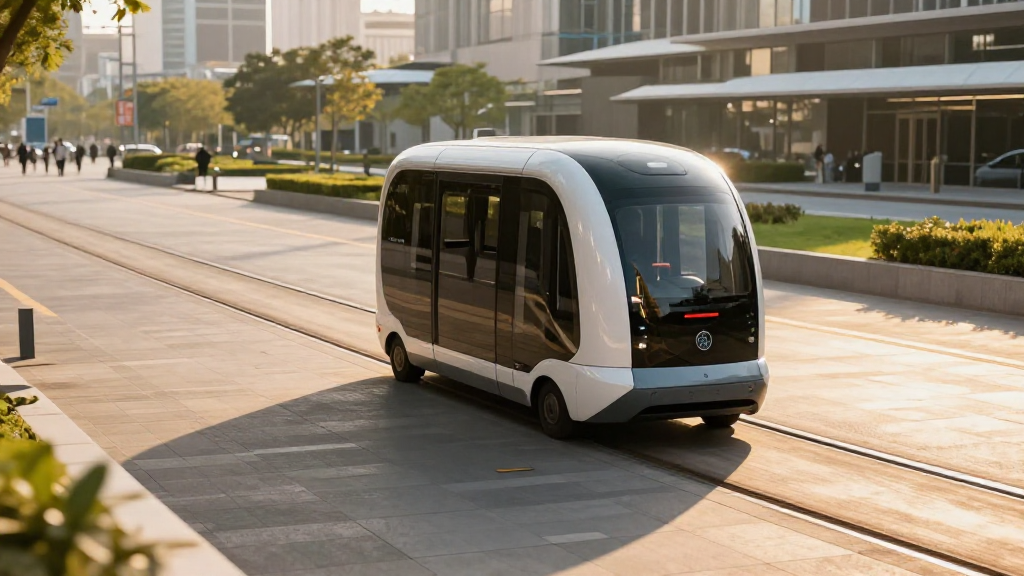
Cart transportation systems are efficient, often innovative, methods of moving goods or individuals within specific areas.
These systems are designed to optimize the transportation process, reducing time and increasing accessibility in various environments such as warehouses, factories, and urban settings.
How Do Cart Transportation Systems Work?
Cart transportation systems utilize carts or vehicles that can easily navigate through allocated pathways or routes.
These systems can be manual, requiring human effort, or automated, utilizing technology to enhance efficiency.
Types of Cart Transportation Systems
-
Manual Cart Systems
– Hand-carts are commonly used in markets and warehouses for moving small loads.
– Trolleys streamline the transportation of bulk items in retail environments. -
Automated Cart Systems
– Automated Guided Vehicles (AGVs) follow predefined paths using magnetic strips or sensors.
– Robotic carts can navigate dynamically using advanced sensors and algorithms. -
Semi-Automated Carts
– These systems combine manual effort and automated assistance, allowing operators to control the cart while benefiting from technology.
What Are the Key Benefits of Cart Transportation Systems?
Cart transportation systems offer numerous advantages, particularly in commercial and industrial settings:
-
Increased Efficiency:
By reducing the physical effort required to transport goods, these systems streamline workflows. -
Cost-Effective Solutions:
Manual carts are typically less expensive upfront, while automated systems reduce labor costs over time. -
Flexibility in Design:
Systems can be customized to suit specific needs, such as size, weight, and the type of goods being transported. -
Improved Safety:
Reducing human strain minimizes injuries and accidents, creating a safer workplace environment.
Where Are Cart Transportation Systems Commonly Used?
Cart transportation systems can be found in various locations, each benefitting from optimized transport solutions:
-
Warehouses and Distribution Centers:
Carts help in the quick movement of goods from storage to shipping areas. -
Manufacturing Facilities:
Carts are essential in moving raw materials and completed products through different stages of production. -
Retail Environments:
In stores and supermarkets, carts assist in restocking shelves and facilitating customer purchases. -
Hospitals and Medical Facilities:
Carts transport medical supplies or equipment efficiently, improving overall workflow.
How Do Cart Transportation Systems Enhance Productivity?
Implementing cart transportation systems can significantly contribute to increased productivity by:
-
Reducing Downtime:
Faster transport solutions mean that processes do not stall while waiting for goods to arrive. -
Streamlining Operations:
Integrating these systems into existing workflows allows businesses to maximize their efficiency and output. -
Facilitating Inventory Management:
Easy movement of carts makes it simpler to organize inventory, leading to more accurate stock taking.
What Factors Should Be Considered When Implementing Cart Transportation Systems?
Before adopting cart transportation systems, companies should evaluate several key factors:
-
Volume of Goods to be Transported:
Determine how much and how often products will need to be moved. -
Space and Layout:
Examine the physical environment to design a system that efficiently utilizes space without obstructing pathways. -
Type of Goods:
Consider the size, weight, and fragility of items being transported to choose the right cart type. -
Budget Constraints:
Ensure that the cart system aligns with financial resources while providing maximum efficiency. -
Staff Training Needs:
Determine if employees will require training on new systems, especially for automated options.
Are There Challenges with Cart Transportation Systems?
While beneficial, there can be obstacles when implementing cart transportation systems:
-
Initial Setup Cost:
Automated systems may involve a significant investment in technology upfront. -
Maintenance Requirements:
Regular maintenance and monitoring are necessary to ensure system longevity and efficiency. -
Space Constraints:
Not all locations can accommodate the pathways required for various types of cart systems. -
Worker Adaptation:
Employees may need time to adapt to new systems, which can temporarily disrupt workflows.
How Can You Optimize the Use of Cart Transportation Systems?
Here are practical steps to enhance the effectiveness of cart transportation systems:
-
Routine Maintenance:
Regular checks ensure carts and systems remain operational and safe. -
Pathway Management:
Keep paths clear and well-defined to improve navigation and efficiency. -
Monitor Performance:
Using data analytics can help businesses assess the effectiveness of their cart systems. -
Incorporate Feedback:
Gather employee feedback regarding the usability and efficiency of the systems.
What Is the Future of Cart Transportation Systems?
As technology evolves, the future of cart transportation systems looks promising:
-
Advancements in Automation:
Enhanced robotics and AI could lead to smarter navigation and routing capabilities. -
Integration with IoT:
Connected carts can communicate with each other and overall systems to optimize movements dynamically. -
Sustainability Initiatives:
More eco-friendly materials and designs will likely become standard as industries pivot to greener solutions.
Conclusion
Cart transportation systems serve as vital links in the supply chain, enhancing efficiency in various industries.
From manual trolleys to advanced automated guided vehicles, these systems are tailored to meet the diverse needs of different environments.
By understanding their workings, benefits, and challenges, businesses can create effective strategies for implementing cart transportation systems, ultimately driving productivity and profitability in an increasingly competitive market.
As innovations continue to shape these systems, organizations must stay adaptable to harness the full potential of cart transportation in the years to come.