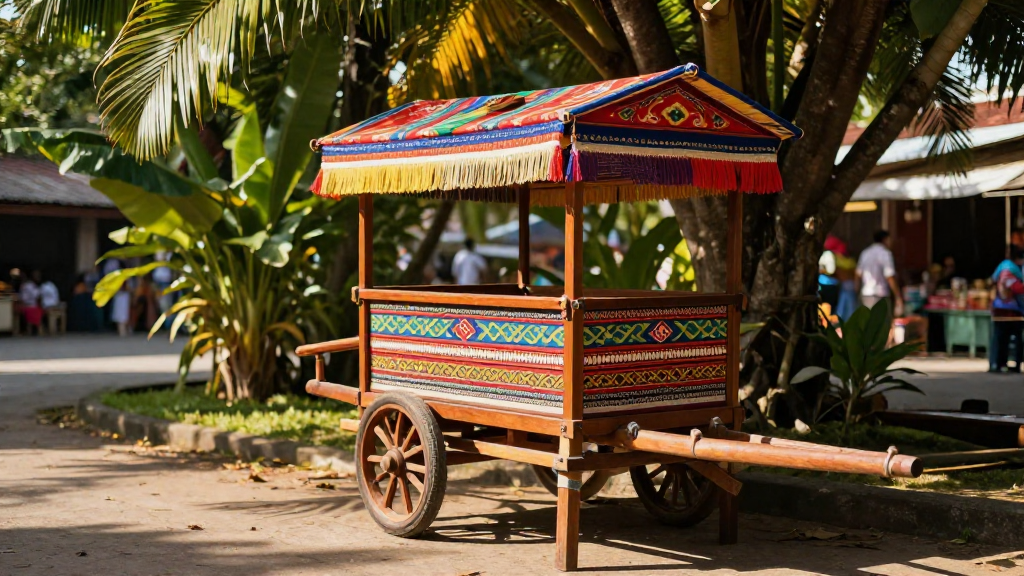
The Philippine Kariton is a fascinating part of Filipino culture and everyday life.
This traditional cart reflects the ingenuity and resourcefulness of the Filipino people.
What is the Philippine Kariton Made Of?
The Philippine Kariton, or “kariton,” is typically constructed from simple materials that are readily available.
- Wood: The frame is often made of sturdy wood, such as bamboo or mahogany.
- Metal: Some modern variations feature metal components, enhancing durability.
- Canvas: Many Philippine Karitons are covered with canvas or tarpaulin for protection against the elements.
- Wheels: Traditional wooden wheels are common, though rubber wheels can also be found for easier mobility.
These materials combine to create a versatile vehicle that can be used for various purposes.
How is the Philippine Kariton Used?
The versatility of the Philippine Kariton makes it a vital tool in many aspects of Filipino life.
Common Uses:
-
Street Vendors: Many street vendors use the Philippine Kariton to sell food items such as snacks, drinks, and local delicacies.
This mobile setup allows them to reach a broader audience. -
Transporting Goods: Farmers and traders often utilize the kariton to transport produce and other goods to markets.
This is especially common in rural areas where roads may not accommodate larger vehicles. -
Pedicabs: In some neighborhoods, a Philippine Kariton can be modified to serve as a pedicab, providing a low-cost transportation option.
Local Festivals:
The Philippine Kariton also makes appearances during local festivals and parades.
Decoratively adorned, they reflect the creativity and culture of different regions.
These variations often showcase local crafts and artistry.
Where Can You Find the Philippine Kariton?
You can find the Philippine Kariton in various settings across the Philippines.
- Urban Areas: In cities, you’ll likely see vendors wheeling their carts alongside bustling streets.
- Rural Communities: In the countryside, farmers frequently use karitons for transporting goods to nearby towns and marketplaces.
- Flea Markets and Bazaars: Local markets often have stalls set up with karitons filled with colorful goods and food items.
- Cultural Events: During festivals and cultural showcases, the kariton may be featured prominently, displaying regional products and traditional games.
Why is the Philippine Kariton Important?
The Philippine Kariton is more than just a means of transport; it embodies the Filipino spirit of innovation.
Economic Significance:
- Livelihood: For many, operating a Philippine Kariton is a primary source of income.
Local vendors depend on this traditional vehicle to meet their financial needs. - Support for Local Farmers: The movement of goods via karitons helps local farmers reach markets, contributing to the agricultural economy.
Cultural Identity:
- Symbol of Filipino Ingenuity: The versatility and adaptability of the Philippine Kariton reflect the cleverness and hard work of the Filipino people.
- Cultural Representation: In areas where it’s utilized, it symbolizes the simplicity and resilience of Filipino life.
What Makes the Philippine Kariton Unique?
The unique features of the Philippine Kariton set it apart from other carts and vehicles.
Key Features:
- Lightweight Design: Making it easier to maneuver.
- Customizable: Vendors and farmers often personalize their karitons to suit their specific needs.
- Eco-Friendly: Traditionally crafted from sustainable materials, thus reflecting the environment-friendly practices of many communities.
These characteristics contribute to the kariton’s lastability and continued relevance in modern society.
How Has the Philippine Kariton Evolved?
Over time, the Philippine Kariton has undergone various modifications.
Modern Adaptations:
- Electric Variation: Some have integrated electric motors to increase mobility and reduce effort.
- Enhanced Materials: More durable materials and innovative designs are emerging to cater to changing needs.
- Digital Marketing: With e-commerce rising, some vendors now promote their products online while continuing to use the traditional kariton as their transport method.
Despite these modernizations, the essence of the Philippine Kariton remains firmly rooted in tradition and community.
How Can You Experience the Philippine Kariton?
Experiencing the Philippine Kariton is easily attainable for locals and travelers alike.
Recommendations:
- Visit Local Markets: Engage with vendors operating Philippine Karitons and try authentic Filipino street food.
Open-air markets are fantastic places to appreciate local culture. - Participate in Festivals: Attend cultural festivals in various regions where Philippine Karitons often play a significant role.
- Document Your Experience: Take photos and notes about the different styles of Philippine Karitons you come across, showcasing the country’s diversity.
Exploring these options will deepen your appreciation for this cultural icon.
Conclusion: Why the Philippine Kariton is Your Next Cultural Journey
The Philippine Kariton is a vibrant testament to Filipino ingenuity and cultural richness.
Whether you are a local looking to understand more about your heritage, or a traveler eager to explore Filipino traditions, the kariton offers a window into the past and present of the Philippines.
From its practical uses in everyday life to its significance during celebratory festivities, the Philippine Kariton stands as a symbol of community, resilience, and creativity.
Embrace this piece of culture, and enjoy the unique stories it can share!