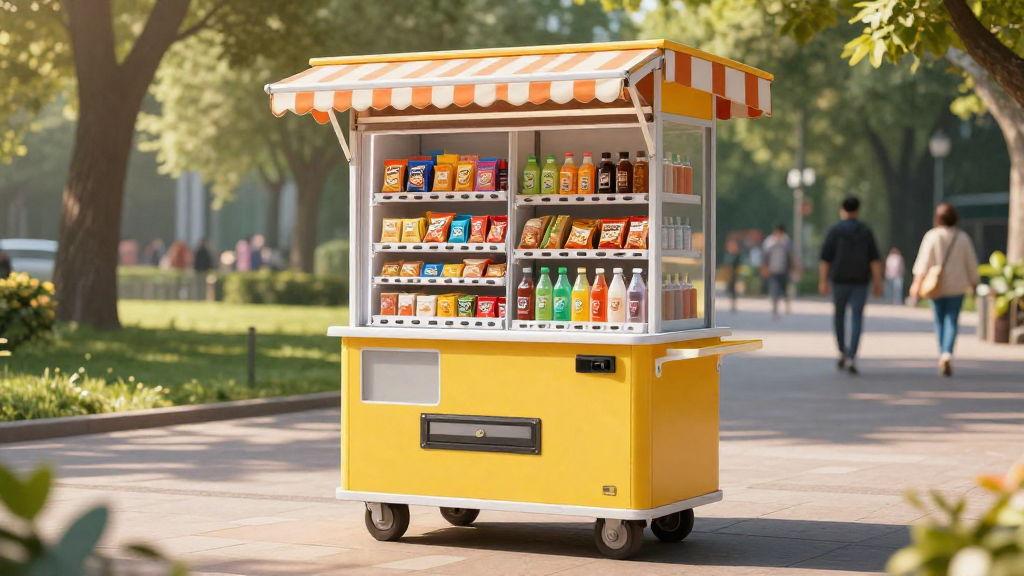
Setting up a vending cart can be an exciting venture for entrepreneurs looking to enter the food service industry. In this article, we’ll walk through the essential steps for a successful vending cart setup.
What Do You Need for a Vending Cart Setup?
Before you begin your vending cart setup, it’s important to identify the necessary components to run your business smoothly. Here is a basic checklist of items you’ll need:
-
Vending Cart: Invest in a quality cart that suits your food offerings.
-
Permits and Licenses: Ensure you have the required permits and licenses to operate legally.
-
Supplies: Stock up on ingredients, beverages, or snacks based on your menu.
-
Equipment: Depending on your menu, you may need cooking equipment, storage containers, and utensils.
-
Point of Sale System: A mobile payment processor will allow you to accept credit and debit cards.
-
Marketing Materials: Create signage and promotional materials to attract customers.
Where Should You Set Up Your Vending Cart?
Choosing the right location for your vending cart setup is crucial. Here are some ideal spots to consider:
-
Parks and Recreational Areas: These locations attract families and individuals looking for snacks.
-
Fairs and Festivals: Large crowds and events provide excellent opportunities for sales.
-
Busy Streets or Office Areas: High foot traffic ensures a steady stream of potential customers.
-
College Campuses: Students often seek quick meals or snacks between classes.
How Do You Choose the Right Menu for Your Vending Cart?
Your menu plays a significant role in your vending cart setup. Here’s how to choose wisely:
-
Identify Your Target Audience: Think about who your customers will be and what they enjoy eating.
-
Focus on Popular Items: Offer snacks or meals that are universally liked. Examples include:
-
Hot dogs
- Tacos
- Sandwiches
-
Smoothies
-
Consider Seasonal Offerings: Adapt your menu to include seasonal items to keep it fresh and exciting.
What Equipment Do You Need for Your Vending Cart Setup?
Depending on what you serve, your vending cart setup will require specific equipment. Here are some common tools and appliances you might need:
-
Grill or Stove: For cooking hot meals.
-
Cooler: To store perishables and beverages.
-
Food Safe Containers: To keep items organized and sanitary.
-
Display Case: To showcase your offerings attractively.
-
Serving Utensils: Ensure you have all necessary utensils like spatulas or tongs.
How Can You Market Your Vending Cart?
A successful vending cart setup requires effective marketing. Here are some strategies to consider:
-
Social Media: Use platforms like Instagram and Facebook to showcase your products and attract customers.
-
Networking: Connect with event organizers to get spots at festivals or fairs.
-
Promotions: Offer deals or discounts to entice new customers to try your cart.
-
Loyalty Programs: Implement a rewards system to encourage repeat business.
What Permits Do You Need for a Vending Cart Setup?
Understanding the legal requirements for a vending cart setup is fundamental to operating legally. Here are some permits you may need:
-
Business License: Required in most jurisdictions to run any business.
-
Health Department Permit: To ensure safety regulations are met when selling food.
-
Sales Tax Permit: Essential for collecting and remitting sales tax.
-
Zoning Permits: Confirm that business activities are allowed in your chosen location.
How Do You Maintain Your Vending Cart?
A successful vending cart setup goes beyond just launching the cart; ongoing maintenance is key. Consider the following tips:
-
Regular Cleaning: Keep your cart clean and sanitized, following all health regulations.
-
Stock Management: Monitor inventory levels and restock items proactively.
-
Quality Control: Ensure the freshness and quality of food items constantly.
-
Routine Inspections: Check your equipment regularly to minimize downtime.
What Financial Considerations Are Involved in a Vending Cart Setup?
Starting a vending cart business not only requires a vision but also sound financial planning for an effective vending cart setup. Here are key aspects to evaluate:
-
Startup Costs: Calculate the initial investment needed for equipment, supplies, permits, and licenses.
-
Operating Expenses: Budget for ongoing costs, including food supplies, cart maintenance, and staffing.
-
Pricing Strategy: Determine competitive pricing by analyzing similar vendors and your target market.
-
Profit Margins: Aim for a sustainable profit margin by understanding your costs and pricing accordingly.
How Do You Optimize Your Vending Cart for Success?
After setting up your vending cart, it’s vital to focus on continuous improvement for your vending cart setup. Here’s how:
-
Feedback from Customers: Engage with customers and use their feedback to improve products and services.
-
Monitor Industry Trends: Stay informed about food trends and adapt your menu accordingly.
-
Innovate: Experiment with new offerings or alternate services like delivery or catering.
Conclusion
Setting up a vending cart can be a rewarding and profitable business opportunity with the right planning and execution. By focusing on key elements—such as location, menu, permits, and marketing—you will pave the way for a successful vending cart setup.
Whether you’re starting small or planning to expand, remember that ongoing maintenance and adaptation to customer needs is essential for long-lasting success. If you’re ready to take the plunge, gather your supplies, and start your exciting journey into the world of vending.