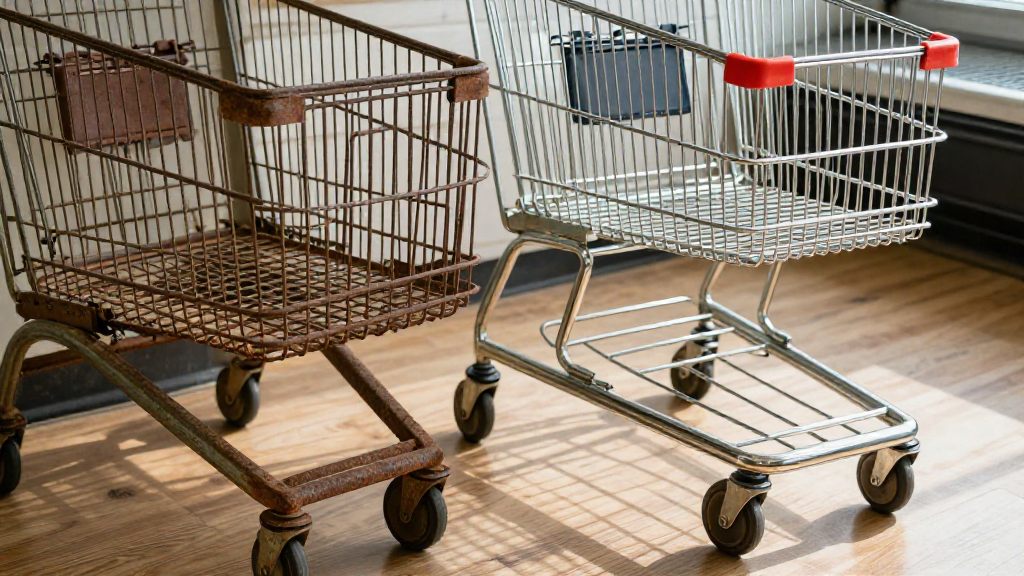
The evolution of shopping carts is a fascinating journey that mirrors the broader changes in consumer behavior and technology.
Understanding how these essential retail tools have transformed can give insight into our shopping experiences today.
What Are Shopping Carts?
Shopping carts are essential tools in modern retail environments.
They provide a means for customers to gather and transport items throughout stores.
From groceries to clothing, the design and functionality of shopping carts have undergone significant changes since their invention.
Who Invented the Shopping Cart?
The shopping cart was invented in 1937 by Sylvan Goldman, a grocery store owner in Oklahoma.
He recognized that customers often struggled to carry multiple items while shopping.
To tackle this issue, Goldman created a metal frame with wheels, allowing customers to push their selected items with ease.
However, the original design was quite basic and lacked the modern features we see in shopping carts today.
How Did Early Shopping Carts Function?
Early shopping carts were designed with functionality in mind but lacked convenience.
For example, Goldman’s design featured:
- A metal frame with a wire basket on top for carrying items.
- No child seats, cup holders, or extra compartments.
- Limited maneuverability as they were often clunky and heavy.
These early carts met customers’ needs, but they highlighted the potential for evolution in shopping cart design.
How Have Features Changed in Shopping Cart Evolution?
As shopping habits continued to evolve, so did the features of shopping carts.
Retailers began to recognize the importance of enhancing customer experience through thoughtful design.
Here are some key changes in the evolution of shopping carts:
1. Introduction of Child Seats
Starting in the late 20th century, shopping carts began to incorporate child seats.
This adaptation allowed parents to secure their children safely while shopping.
2. Compact Folding Designs
With urban shopping spaces becoming more cramped, foldable shopping carts emerged in the 1990s.
These carts could be easily stored and transported, appealing to a growing urban consumer base.
3. Enhanced Maneuverability
Modern shopping carts frequently feature swivel wheels that greatly improve maneuverability.
Customers can navigate tighter aisles with ease.
4. Technology Integration
In recent years, the evolution of shopping carts has also included tech upgrades.
Many retail chains are experimenting with:
- Self-checkout scanners integrated directly into the cart.
- Smart carts equipped with GPS and RFID technology to track items and improve inventory management.
What Role Has Technology Played in Shopping Cart Evolution?
As technology progresses, the role of shopping carts evolves alongside it.
New technologies enhance the shopping experience, streamline operations, and increase customer engagement.
The evolution of shopping carts now intersects with various technological advancements:
1. Smart Carts
Smart shopping carts equipped with touch screens and built-in scales have emerged in some stores.
These high-tech carts can provide product recommendations, nutritional information, and promotional offers.
2. Mobile Integration
Many smart carts can be connected to shoppers’ smartphones for a more personalized shopping experience.
Apps might provide shopping lists or highlight deals based on customer preferences.
3. Cashless Transactions
The evolution of shopping carts also aligns with the move toward cashless shopping.
Carts equipped with card readers can allow customers to pay on the spot, significantly reducing checkout times.
Are Sustainability Trends Influencing Shopping Cart Design?
Yes, sustainability trends are having a significant impact on the evolution of shopping carts.
As consumers become more environmentally conscious, retailers have begun to adapt.
Here are some examples of how sustainability is influencing cart design:
1. Recyclable Materials
Many manufacturers are transitioning to sustainable materials for cart production, such as recycled metals and plastics.
2. Reduced Weight
Lighter carts reduce energy consumption during transport and decrease the carbon footprint associated with production.
3. Reduced Plastic Use
With growing concerns over plastic waste, some retailers are opting for bio-based plastics or entirely alternative materials.
How Have Shopping Carts Affected Retail Environments?
The evolution of shopping carts has had a profound effect on retail environments.
These carts have transformed the way stores are designed, making them more customer-friendly.
Consider the impact:
1. Enhanced Store Layouts
Retailers frequently design their layouts around the assumption that shoppers will use carts.
A well-placed shopping cart allows customers to roam freely through sections and encourages impulse purchases.
2. Impulse Buying
The evolution of shopping carts encourages impulse buying by making it easier for customers to carry additional items.
When shoppers have carts, they feel compelled to fill them, often leading to unplanned purchases.
3. Overall Customer Experience
Well-designed shopping carts positively influence a customer’s shopping experience, enhancing comfort and exploration in stores.
Are There Any Challenges with Modern Shopping Carts?
While modern shopping carts have made numerous advancements, challenges still exist.
Here are some of the notable issues:
1. Theft and Vandalism
Shopping cart theft is a persistent problem for retailers.
Many stores have installed wheel locks or tracking devices to combat this issue.
2. Maintenance
Heavy usage can lead to wear and tear, necessitating regular maintenance.
Keeping carts clean and functional is essential for maintaining a pleasant shopping experience.
3. Space Limitations
Supermarkets and larger stores may struggle with space constraints for cart storage, affecting how many carts can be available to shoppers.
What Is the Future of Shopping Carts?
The evolution of shopping carts is far from over.
As technology continues to develop, and consumer preferences shift, we can expect to see further innovations.
Possible trends may include:
1. Autonomous Shopping Carts
Imagine shopping carts that can follow you around stores, allowing for a hands-free experience.
2. Advanced Customer Data
With smart carts collecting data, retailers may offer even more personalized shopping experiences based on preferences and buying habits.
3. Greater Sustainability Efforts
Future shopping carts might utilize 100% recyclable or biodegradable materials to further address environmental concerns.
Conclusion
The evolution of shopping carts reflects the changing landscape of retail and consumer behavior.
From their humble beginnings in the 1930s to the integration of modern technology and sustainable practices, shopping carts have transformed in significant ways.
As we look to the future, the trends in shopping cart design will likely continue to enhance our shopping experiences, making them more convenient, efficient, and enjoyable.
Understanding the evolution of shopping carts gives us a deeper appreciation for these everyday tools and the impact they have on our retail experiences.