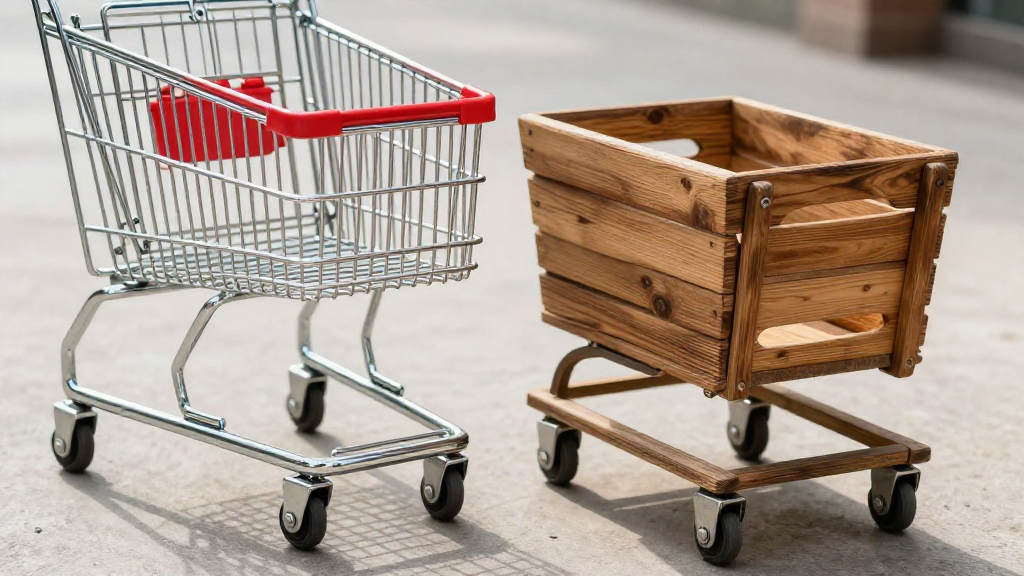
When it comes to moving items, many people often wonder about the difference between a trolley and a cart.
Although these terms are sometimes used interchangeably, they denote distinct types of wheeled devices designed for different purposes.
In this article, we will explore the definitions, uses, and differences between trolleys and carts.
What Are Trolleys?
Trolleys are typically defined as wheeled vehicles used for transporting goods from one location to another.
They often feature a flat surface or tray and are equipped with a handle for maneuverability.
Common Types of Trolleys:
- Shopping Trolleys: Frequently found in supermarkets, these are used by shoppers to carry groceries.
- Utility Trolleys: Used in workplaces, restaurants, and hospitals to transport tools, food, and medical supplies.
- Baggage Trolleys: Commonly used in airports to carry luggage.
Trolleys can vary greatly in size, shape, and function, but they usually focus on ease of transportation over longer distances.
What Are Carts?
Carts, on the other hand, have a broader range of applications and can be a bit more versatile than trolleys.
They are generally designed for hauling or carrying items and can come in numerous forms.
Common Types of Carts:
- Garden Carts: Used for transporting soil, plants, and garden tools.
- Food Carts: Street vendors often use these to sell food items on the go.
- Hand Carts: Offer a simple design for moving heavy items using a handle and two wheels.
While carts can be utilized in various settings, they may not always have the dedicated functionality of trolleys.
How Are Trolleys and Carts Different?
By now, we can begin to see the difference between a trolley and a cart.
Here are some critical distinctions to consider:
1. Design and Structure
- Trolleys often have a more sophisticated design with a focus on stability and support.
- Carts typically feature a simpler structure, which may prioritize portability.
2. Handling
- Trolleys have handles designed for one-handed operation, making them easier to navigate while carrying items.
- Carts may require two hands to maneuver, especially when they are loaded.
3. Purpose
- Trolleys are usually designed for specific tasks, such as grocery shopping or hospital supply transport.
- Carts can serve various functions, from hauling yard waste to street vendor operations.
4. Material and Construction
- Trolleys are often built using metal, which offers durability and supports heavier loads.
- Carts can be made from diverse materials, including plastic, wood, and metal, depending on their intended use.
5. Wheel Configuration
- Trolleys may have three or four wheels for added stability, especially in shopping scenarios.
- Carts can vary in wheel count, often with four wheels but occasionally featuring two, like hand carts.
When Should You Use a Trolley or a Cart?
Deciding whether to use a trolley or a cart generally depends on your specific needs.
Use a Trolley When:
- Shopping: A shopping trolley is ideal for carrying groceries from the store to your vehicle.
- Transporting Equipment: Utility trolleys work well in workplaces where tools need to be moved from one area to another.
Use a Cart When:
- Gardening: Garden carts excel in transporting heavy soil bags and gardening tools.
- Food Vending: A food cart is best for selling food on the go, requiring easy access to customers.
Examples of Trolley and Cart Usage
Understanding the difference between a trolley and a cart can help you choose the right option for your needs.
Here are some examples to illustrate their uses:
Trolley Example:
Imagine you’re at a large supermarket.
With a shopping trolley, you can easily navigate the aisles as you gather a week’s worth of groceries.
The trolley allows you to manage your items effectively while providing a comfortable height for access and space for bags.
Cart Example:
Now consider a street vendor set up at a bustling farmer’s market.
Using a food cart allows quick service and portability.
It enables the vendor to maneuver through the crowd easily while showcasing their culinary offerings.
Summary of Differences
In summary, let’s briefly encapsulate the difference between a trolley and a cart:
- Trolleys:
- Designed for specific tasks (e.g., shopping, equipment transport).
- Usually sturdier with advanced stability features.
-
Often feature a handle for easy single-handed movement.
-
Carts:
- Versatile and can serve multiple purposes.
- Simpler structure, potentially less durable.
- May require two-handed operation depending on the design.
Conclusion: Making the Right Choice
Understanding the difference between a trolley and a cart is essential in choosing the right tool for your task.
Whether you need to navigate a supermarket or transport heavy items in the garden, being aware of the features, benefits, and intended uses of each option will provide you with the necessary insights to make an informed decision.
Choose wisely, and let these handy devices make your transport tasks that much easier!
In your day-to-day life, enhancing convenience through the right equipment can significantly improve your efficiency and overall productivity.